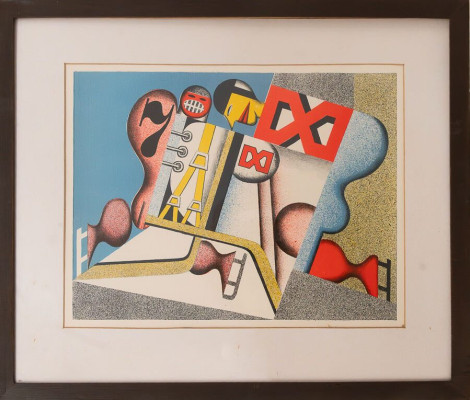
Hans Ticha, o.T., o.J.
Offset, 31 x 40 cm, Rahmen optional 20 €
Startpreis 50 €
VERKAUFT

Denise Richardt, Kleines Glück (Im Stadtpark), 2024
Eitempera/Baumwolle, 28 x 33 cm, Rahmen optional 50 €
Startpreis 850 €

Ingmar Bruhn, ohne Titel, 2016/18
Ölfarbe auf Bütten, B.56 x 37 cm, R.60 x 80 cm, 13/20, Rahmen optional 70 €
Startpreis 250 €
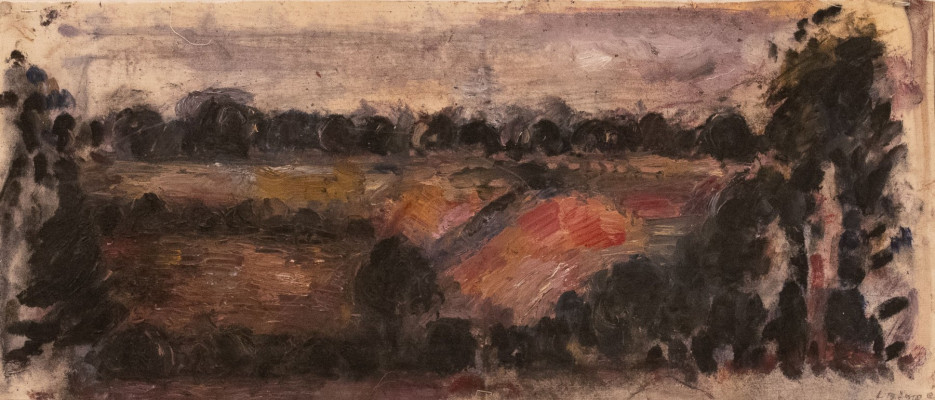
Lothar Böhme, Landschaft, o.J.
Öl auf Leinwand, 30 x 70 cm,
Startpreis 800 €
187
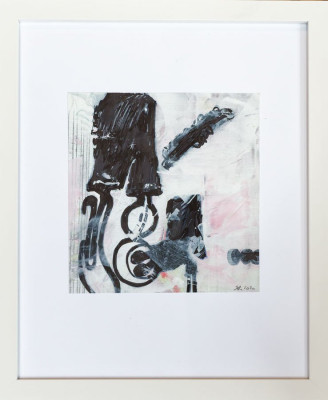
Henry Stöcker, Unterwegs, 2020
Tusche, Farbe, 16 x 15 cm, mit Rahmen
Startpreis 250 €

Henry Stöcker, PEACE, 2021
Tusche, Farbe, 15 x 10,5 cm, mit Rahmen
Startpreis 250 €
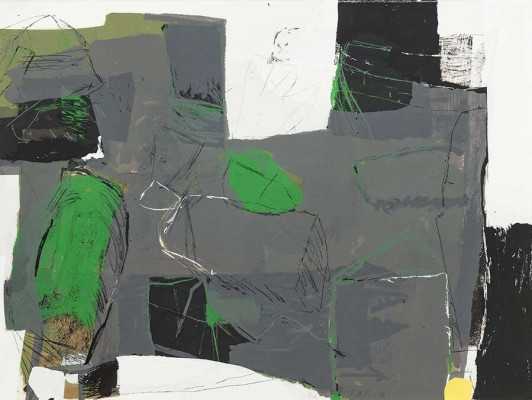
Joachim Böttcher , Graugrüne Landschaft, 1996
Siebdruck, 9 Farben, 60 x 80 cm, 7/30
Startpreis 950 €

Christian Ulrich, Zwei, 2025
Acryl, Aquarell, Tusche auf Papier, 32 x 24 cm, Rahmen optional 50
Startpreis 450 €
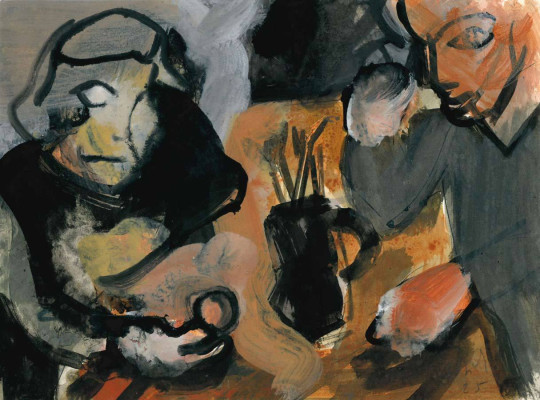
Christian Ulrich, Am Tisch, 2025
Acryl, Aquarell, Tusche auf Papier, 24 x 32 cm, Rahmen optional 50
Startpreis 450 €
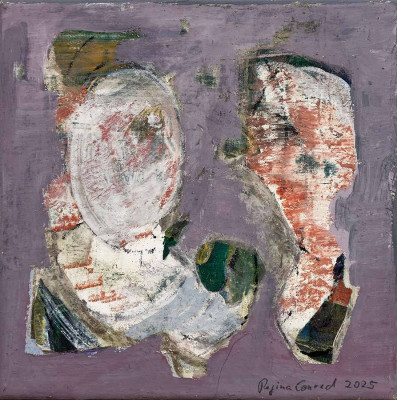
Regina Conrad, Literarisches Gespräch, 2025
Eitempera auf Leinwand, 20 x 20 cm,
Startpreis 200 €
VERKAUFT
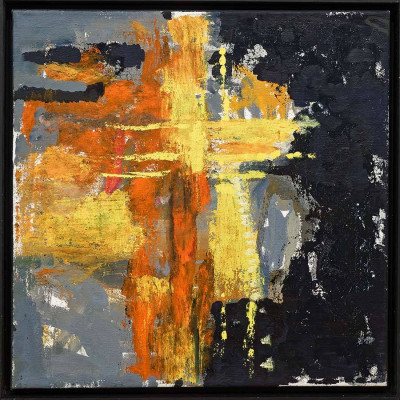
Reinhard Stangl, Winterreise, 2013
Öl auf Leinwand, 48 x 48 cm,
Startpreis 1.500 €
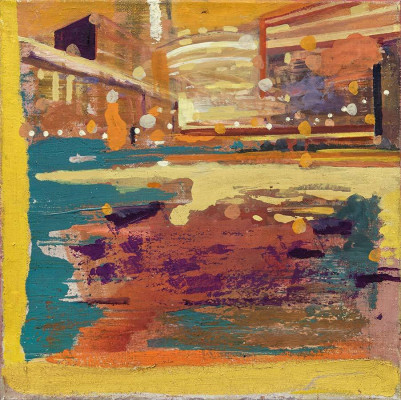
Reinhard Stangl, Potsdamer Platz, 2023
Öl auf Leinwand, 48 x 48 cm,
Startpreis 1.500 €

Ulrich Jörke, männlicher Torso , 2023
Terrakotta engobiert, Mahagonisockel, 35 x 11 x 11 cm,
Startpreis 300 €
VERKAUFT
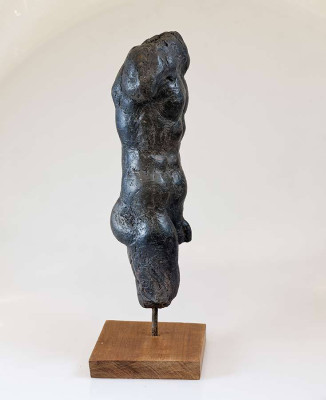
Ulrich Jörke, männlicher Torso , 2023
VERKAUFT
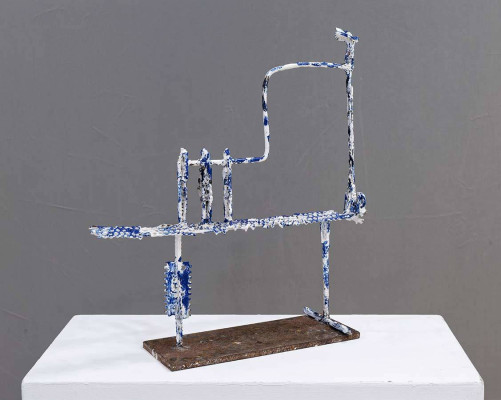
Henry Stöcker, In guter Absicht, unterwegs, 2023
Metall geschweißt, 45 x 42 x 13 cm, mit Rahmen
Startpreis 320 €
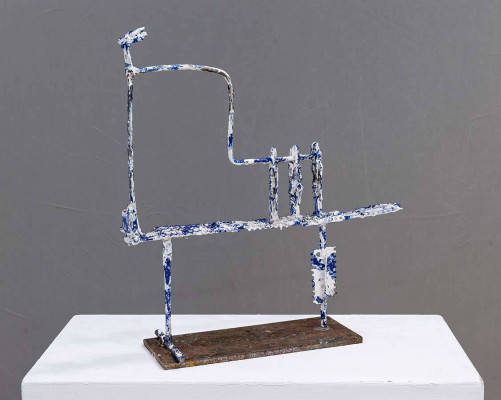
Henry Stöcker, In guter Absicht, unterwegs, 2023

Marguerite Blume-Cárdenas , Fischer, 2011
Sandstein, 40 x 37 x 11 cm,
Startpreis 1.750 €

Marguerite Blume-Cárdenas , Fischer
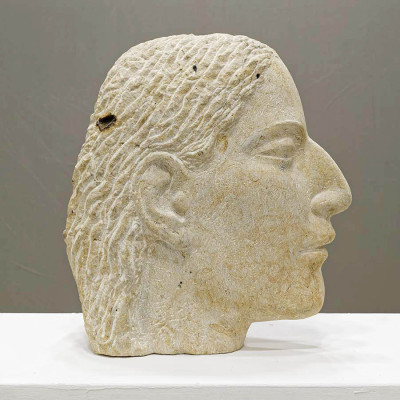
Marguerite Blume-Cárdenas , Fischer
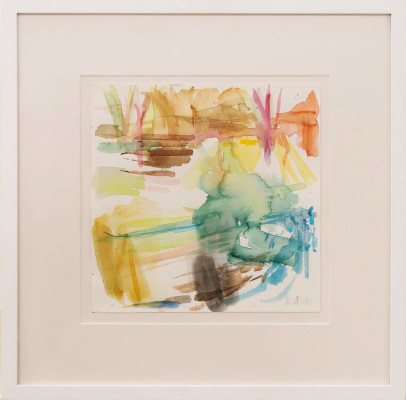
Denise Richardt, Am Wasser, 2025
Aquarell, 24 x 24 cm, Rahmen optional 20 €
Startpreis 310 €

Denise Richardt, Sommer, 2025
Aquarell, 24 x 24 cm Rahmen optional 20 €
Startpreis 310 €

Linde Bischof, Ausblick, 1998
Tempera auf Karton, 43,5 x 49 cm, Rahmen optional 40 €
Startpreis 550 €
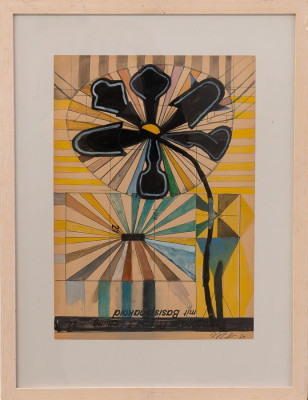
Marlene Gaßmann, Prismen, 2024
Finliner, Aquarell, 30 x 21 cm, Rahmen optional 25 €
Startpreis 320 €
VERKAUFT
227
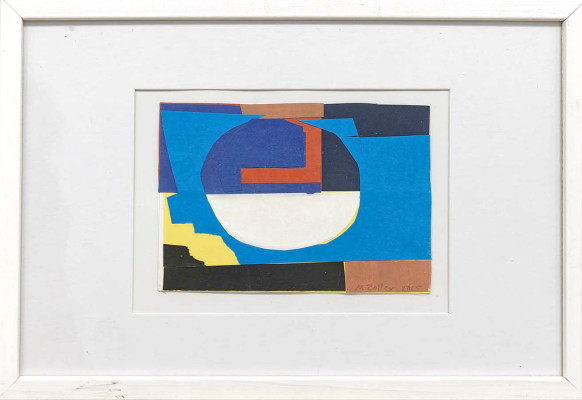
Manfred Zoller, Roter Winkel, 2025
Collage, 10,5 x 15 cm, Rahmen optional 5 €
Startpreis 200 €

Annette Gundermann, Trauergondel, 2008
Mischtechnik auf Papier, 37 x 60 cm, im Passepartout Rahmen optional 60 €
Startpreis 670 €

Uta Jeran, Im Kloster 3, 2020
Aquarell, 21 x 15 cm, Rahmen optional 25 €
Startpreis 225 €

Uta Jeran, Im Kloster 4, 2020
Aquarell, 21 x 15 cm, Rahmen optional 25 €
Startpreis 225 €

Klaus Fuchs, o. T. (offenes Gitterfeld /25×19), 2020 – 24
Linoldruckfarbe auf Papier, 40 x 29,7 cm, Rahmen optional 20 €
Startpreis 170 €
VERKAUFT
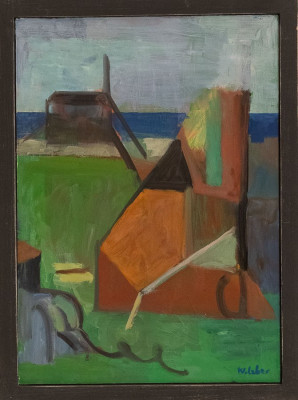
Wolfgang Leber, Zelt am Meer, 2004
Öl, 42 x 30 cm,
Startpreis 800 €
VERKAUFT
018

Reinhard Stangl, Säule, 2023
Öl auf Leinwand, 48 x 48 cm,
Startpreis 1.500 €
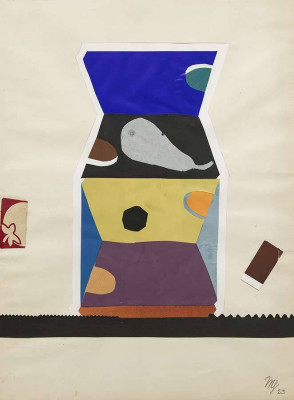
Marlene Gaßmann, Dekoratives Gefäß, 2023
Collage, 56 x 42 cm,
Startpreis 450 €
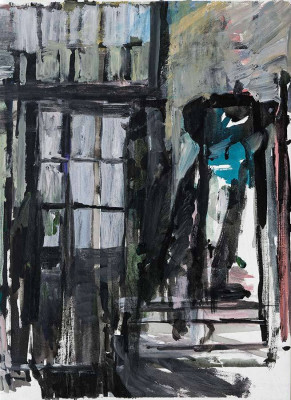
Martin Enderlein, Interieur, 2025
Acryl auf Leinwand, 85 x 62 cm, mit Rahmen
Startpreis 980 €

Joachim Böttcher , Am Meer, 1992
Siebdruck, 6 Farben, 33 x 50 cm, 10 23
Startpreis 650 €

Klaus Roenspieß, Kleine Masurenlandschaft, 1976
Öl auf Leinwand, 25,5 x 27,5 cm,
Startpreis 950 €
104

Claudia Busching, o.T., 1994
Collage, Acryl, versch. Papiere, 27 x 29,5 cm, Rahmen optional 30 €
Startpreis 500 € </strong
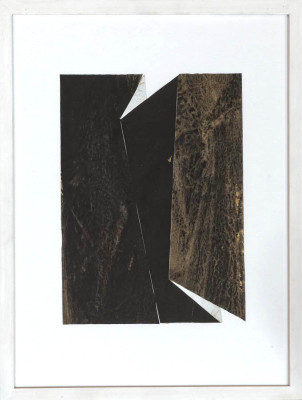
Claudia Busching, o.T., 1994
Collage, Acryl, versch. Papiere, 27 x 20 cm, Rahmen optional 30 €
Startpreis 500 €
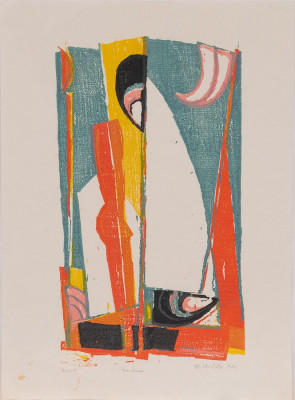
Waldemar Schröder, Torso-Sommer, 1991
Farbholzschnitt, 32 x 23,5 cm, Andruck
Startpreis 50 €
VERKAUFT
151

Ulrike Hahn, Blauer Mond, 2023
Aquarell, 32 x 24 cm, Rahmen optional 40 €
Startpreis 380 €
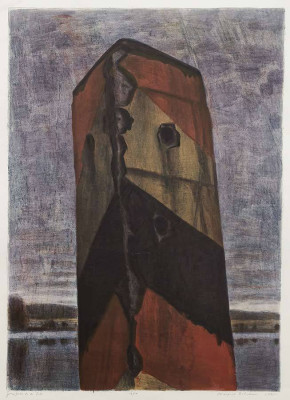
Manfred Butzmann, Grenzpfahl an der Oder, 1995
Original Offset Litho, 57/60, 70 x 50 cm, R. 80 x 60 cm
Startpreis 150 €
VERKAUFT
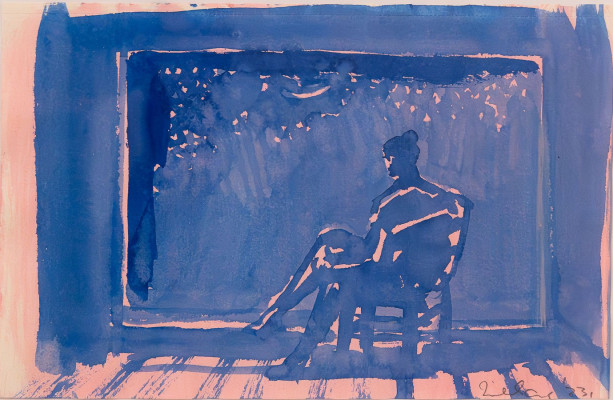
Klaus Hochhaus, Im System, 2023
Tusche auf Papier, 13 x 20 cm,
Startpreis 220 €
188

Inga Rensch, Beinahe Venedig, 1993
Druckgrafik, Folienschnitt, 52 x 40 cm, gedruckt auf Karton 13/26 Rahmen optional 30 €
Startpreis 130 € </strong
VERKAUFT
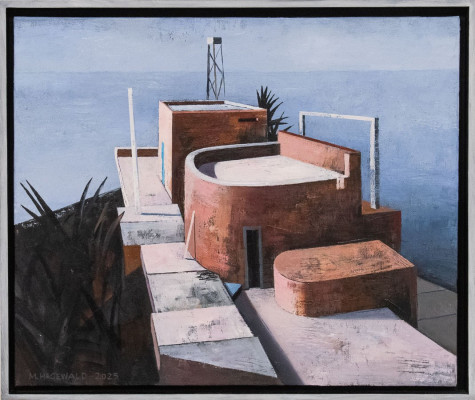
Michael Hegewald, Auf der Klippe (V), 2025
Öl auf Leinwand, 50 x 60 cm,
Startpreis 2.100 €
058

Ulrike Hahn, Amaryllis am Fenster, 2023
Aquarell, 32 x 24 cm, Rahmen optional 40 €
Startpreis 380 €
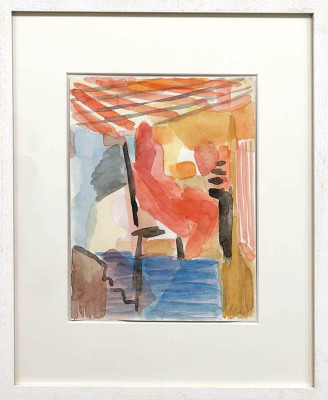
Ulrike Hahn, Figur unterm Sonnendeck, 2023
Aquarell, 32 x 24 cm, Rahmen optional 40 €
Startpreis 380 €
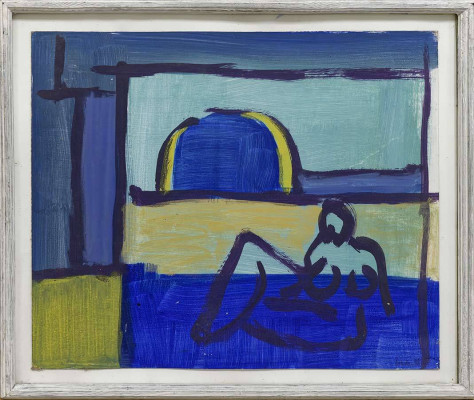
Linde Bischof, Am Pool, 1998
Tempera auf Karton, 44,5 x 54 cm, Rahmen optional 40 €
Startpreis 550 €
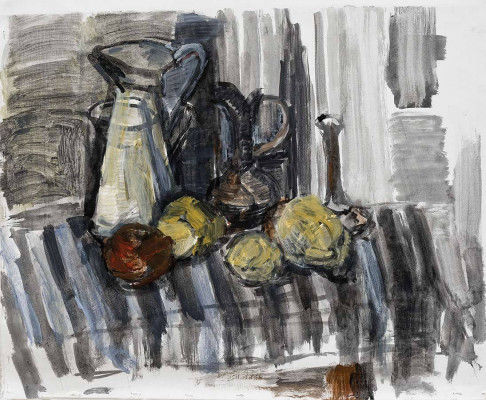
Martin Enderlein, Stlleben mit Quitten, 2025
Acryl auf Leinwand, 60 x 74 cm, mit Rahmen
Startpreis 900 € </strong
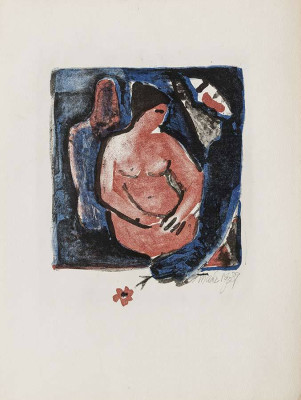
Marika Voß, o.T., 1989
Farblithographie, 28,5 x 21,5
Startpreis 180 €
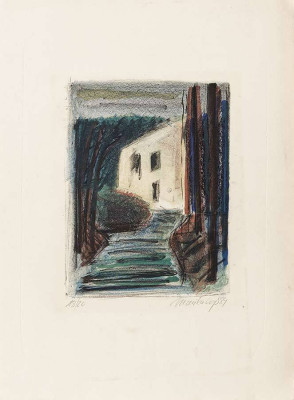
Marika Voß, o.T., 1989
Farblithographie, 18/20, 30 x 21,5 cm
Startpreis 180 €
VERKAUFT

Anja Billing, Fremdes Land, 2021
Öl auf Leinwand, 120 x 100 cm,
Startpreis 2.800 €

Karin Tiefensee, Frühsport, 2025
2‑Farben-Tiefdruck, 35 x 25 cm, Rahmen optional 55 €
Startpreis 300 €

Joachim Bayer, Erpressung, 2025
Kohle, Papier, 21 x 29,3 cm, Rahmen optional 10 €
Startpreis 350 €
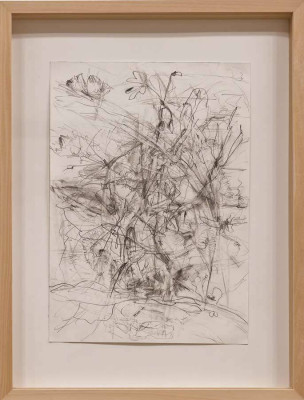
Susanne Pliet, Fensterbild, 2025
Bleistift, Papier, 30 x 21 cm, Rahmen optional 35 €
Startpreis 175 €
VERKAUFT
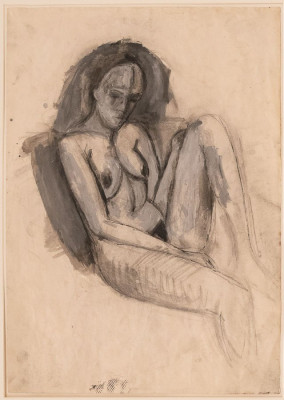
Lothar Böhme, Sitzender Akt, 2014
Mischtechnik, 59 x 42 cm, R. 85 x 61 cm
Startpreis 800 €
185
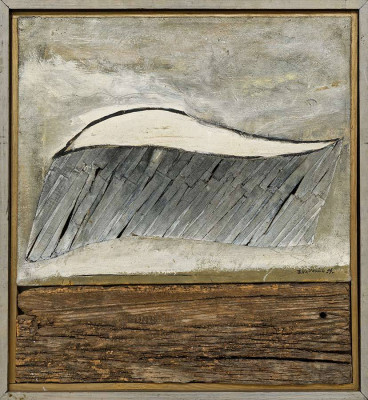
Bogdan Wojtasiak, Wolkenbruch, 1984
Collage, 57 x 50 cm, Rahmen incl.
Startpreis 500 €
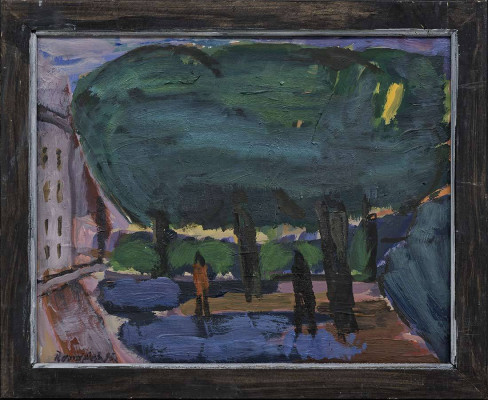
Klaus Roenspieß, Promenade, 1995
Öl auf Leinwand, 34 x 43 cm,
Startpreis 1.200 €

Hans Vent, Kopf, 2011
Öl auf Leinwand, 24 x 30 cm,
Startpreis 260 €
060
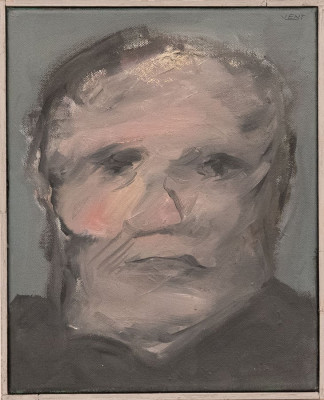
Hans Vent, Kopf, 2007
Öl auf Leinwand, 30 x 24 cm,
Startpreis 320 €
059
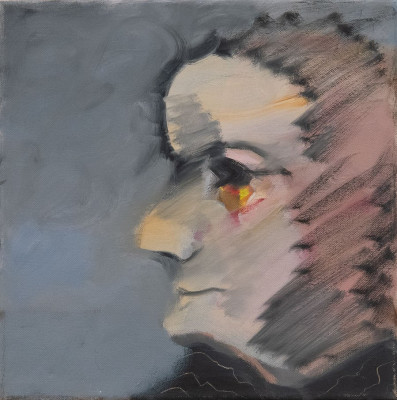
Hans Vent, Kopf, 2014
Öl auf Leinwand, 30 x 30 cm,
Startpreis 380 €
061
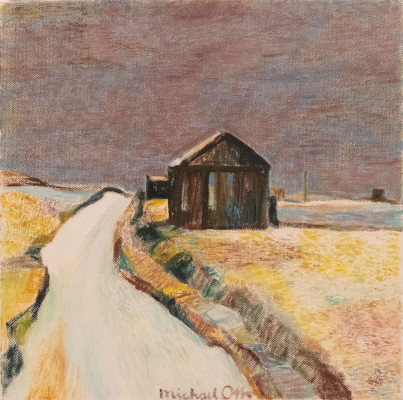
Michael Otto, Auf Nyord-Moen, 2025
Ölfarbe, Leinwand, 30 x 30 cm,
Startpreis 450 €
050
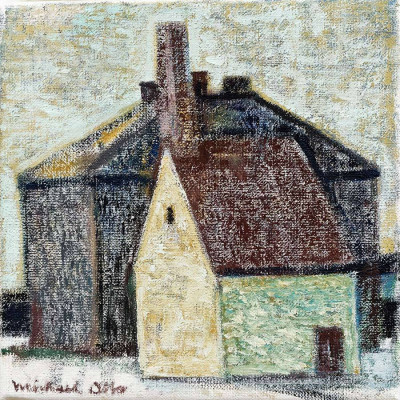
Michael Otto, Verlassen, 2025
Ölfarbe, Leinwand, 20 x 20 cm,
Startpreis 300 €
VERKAUFT
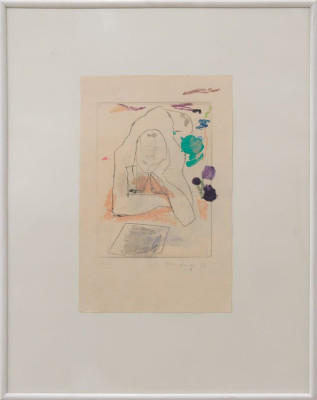
Günter Blendinger, Lesende 3, 2023
Kaltnadelradierung. Farbstifte, Gouache, B.21,5 x 15,5 cm, Rahmen optional 25 €
Startpreis 180 €
117

Günter Blendinger, Lesende 2, 2023
Kaltnadelradierung. Farbstifte, B.16 x 18 cm, Rahmen optional 25 €
Startpreis 180 €
116
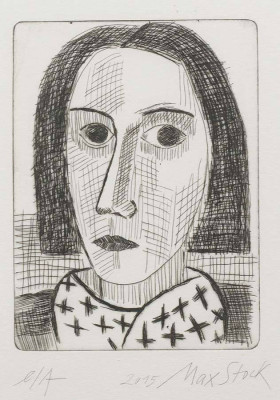
Max Stock, Mädchen Kopf, 2015
Kaltnadelradierung, 20 x 15 cm, e.a.
Startpreis 90 €
VERKAUFT

Karin Sakrowski, Die Findung, Von ganz weit her, 2014
Öl auf Leinwand, 65 x 50 cm,
Startpreis 1.800 €
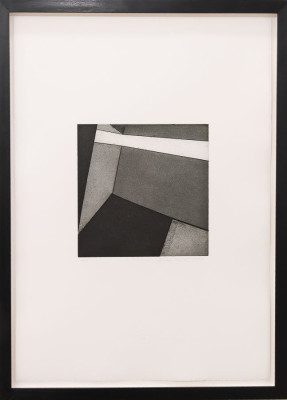
Zora Jankovic, RF517, 2017
Vernis mou, Aquatinta, 20 x 20 cm, e.a. Rahmen optional 125 €
Startpreis 375 €
088
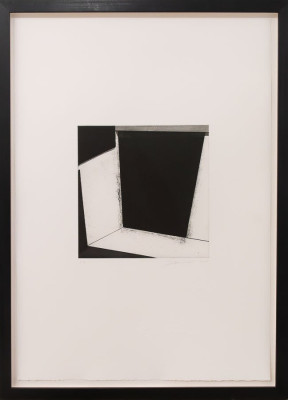
Zora Jankovic, RF117, 2017
Vernis mou, Aquatinta, 20 x 20 cm, e.a. Rahmen optional 125 €
Startpreis 375 €
087

Martin Enderlein, Lichteinfall, 2025
Acryl auf Leinwand, 72 x 66 cm, mit Rahmen
Startpreis 900 €

Ursula Strozynski, Fischernetze III, 2025
Kaltnadelradierung, 35 x 44 cm, E.D. Rahmen optional 50 €
Startpreis 250 €
VERKAUFT

Michael Hegewald, Scheine bei Carpi, 2024
Öl auf Leinwand, 50 x 60 cm,
Startpreis 2.100 €
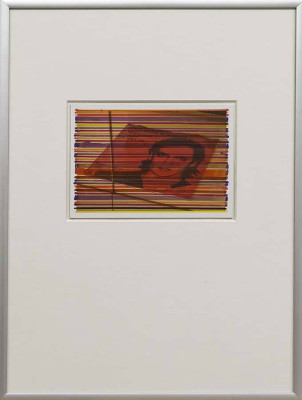
Klaus Fuchs, o. T. (Sonderzug nach Pankow), 2025
Zeichnung auf Fotografie, 11,5 x 16,5 cm, Rahmen optional 20
Startpreis 100 €
VERKAUFT
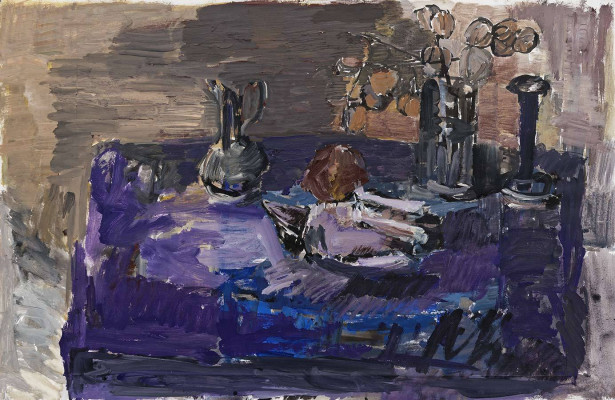
Martin Enderlein, Stilleben, die Krähe, 2025
Acryl auf Leinwand, 75 x 115 cm, mit Rahmen
Startpreis 1.200 €
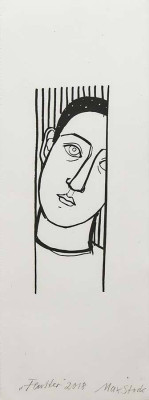
Max Stock, Fenster,
Siebdruck, 41 x 15 cm,
Startpreis 90 €
VERKAUFT
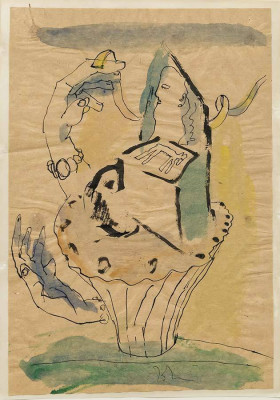
Joachim John, o.T., o.J.
Federzeichnung aquarelliert, 22,5 x 31 cm
Startpreis 240 €
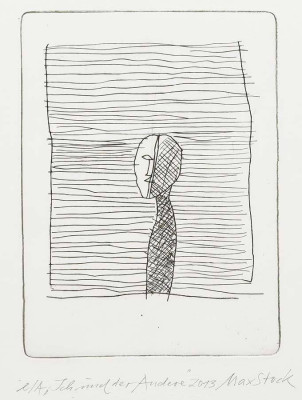
Max Stock, Ich und der Andere, 2013
Radierung, 20 x 15 cm, e.a.
Startpreis 90 €
VERKAUFT
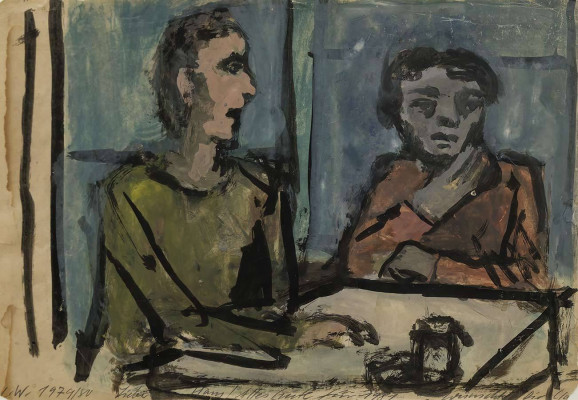
Claus Weidensdörfer, Paar, 1979
Mischtechnik auf Papier, 21 x 29 cm,
Startpreis 190 €
VERKAUFT
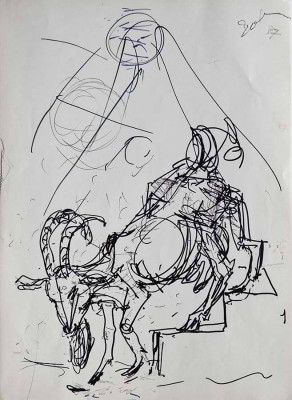
Dieter Goltzsche, Ziege, 1987
Rohrfeder, Tusche, 28 x 20 cm,
Startpreis 350 €
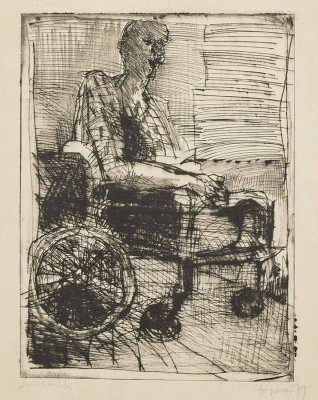
unbekannt, Im Rollstuhl, 1979
Kaltnadelradierung, 20 x 15 cm,
Startpreis 110 €

Dieter Goltzsche, nur bis hierher, 2021
Aquarell, Farbstifte, 21 x 27,3 cm,
Startpreis 430 €

Ted Marschall, Gründelsloch, 2025
Öl und Acrylfarbe auf Leinwand, 40 x 40 cm
Startpreis 350 €
001
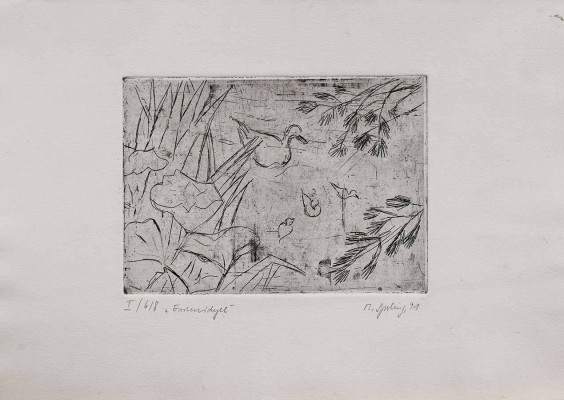
Margot Sperling, Entenidyll, 1991
Ätzradierung, 29 x 39,5 cm, I – 6 – 8
Startpreis 60 €
VERKAUFT

Dieter Goltzsche, Ausstellungsplakat, 1986
Offset, 57 x 41,5 cm, beschädigt
Startpreis 40 €
VERKAUFT
165
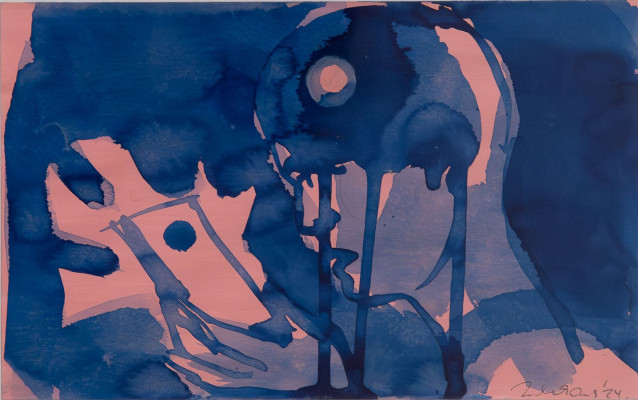
Klaus Hochhaus, Im System, 2024
Tusche auf Papier, 13 x 20 cm,
Startpreis 220 €
189
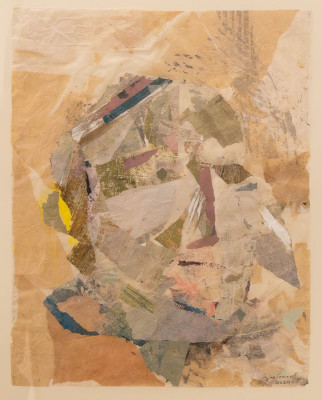
Regina Conrad, Nach kurzer Begegnung mit M.M., 2024
Collage, 43,5 x 35 cm,
Startpreis 360 €
222
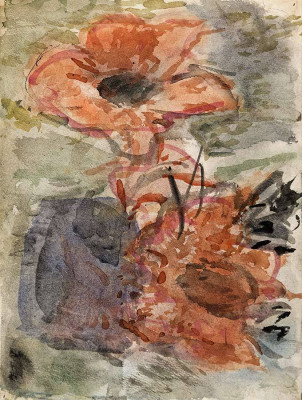
Manfred Böttcher, Blume der Liebe, ca 1965
Michtechnik, mit Nachlassstempel
Startpreis 300 €

Martin Colden, grau/schwarz/rot, 2025
Tusche/Japanpapier, 45 x 34,8 cm, Rahmen optional 25 €
Startpreis 240 €

Martin Colden, ambivalent, 2025
Tusche/Japanpapier, 45 x 35 cm, Rahmen optional 25 €
Startpreis 260 €

Wolfgang Frankenstein, Der Hengst, 1983
Radierung, 26 x 31,5 cm,
Startpreis 180 €
VERKAUFT
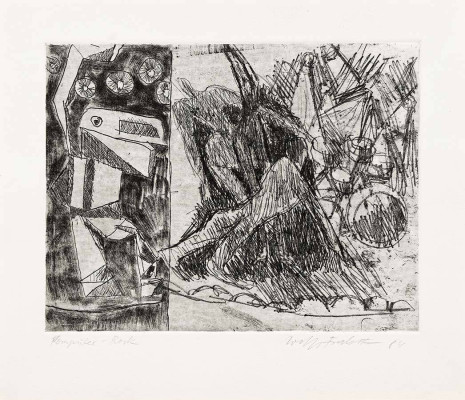
Wolfgang Frankenstein, Komputer-Rock, 1984
Radierung, 24,5 x 31,5 cm,
Startpreis 140 €

Michael Kain, Mit Pitt, 2025
Öl auf Leinwand, 30 x 30 cm, Rahmen optional 20 €
Startpreis 600 €

Michael Kain, Gestern, gegen 23 Uhr, 2025
Öl auf Leinwand, 30 x 30 cm, Rahmen optional 20 €
Startpreis 600 €

Paul Torsten Hahn, Stilleben, 1999
Öl auf Papier, 60 x 80 cm, Rahmen optional 150 €
Startpreis 900 €

Karin Sakrowski, Blinde Flecken mit etwas Licht, 2015
Zeichnung/Collage, 40 x 30 cm, Rahmen optional 60 €
Startpreis 520 €
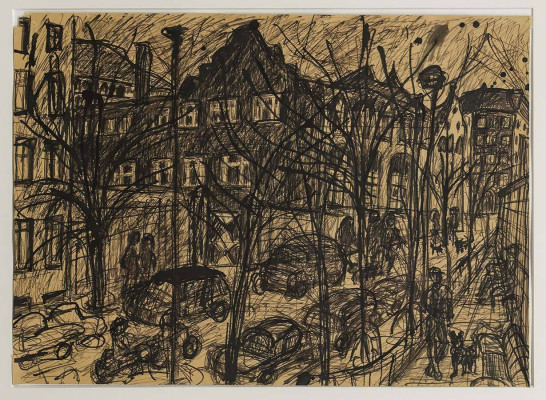
Doris Leue, Milastraße /Berlin, 2008
Feder/Tusche, 29,5 x 41 cm,
Startpreis 350 €
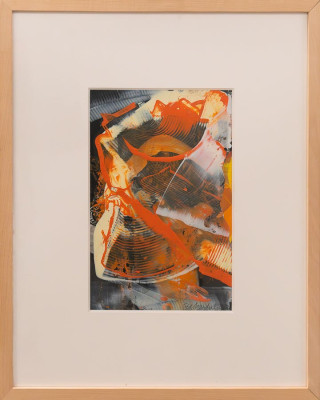
Ted Marschall, Tapestry, 2024
Ölfarbe auf Papier, 50 x 40 cm, Rahmen incl. €
Startpreis 200 €
002
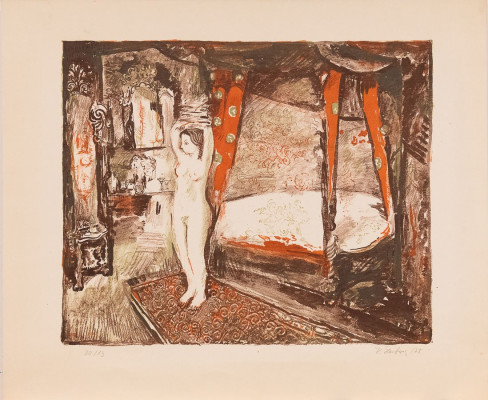
Karl Hartwig, 1978
Farblithografie, 50 x 60 cm, 20/13
Startpreis 80 €
VERKAUFT
168
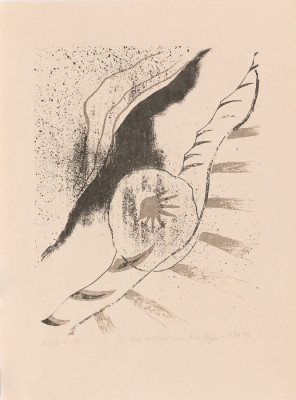
Wolf Leo, o.T., 1986
Siebdruck, 50 x 37 cm, III /10/35, Vorderseite Widmung
Startpreis 50 €
164
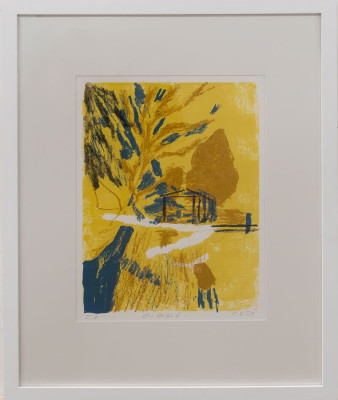
Carsten Gille, Die Hütte II, 2025
Siebdruck, 30 x 23 cm, E.A. Rahmen optional 25 €
Startpreis 180 €
047
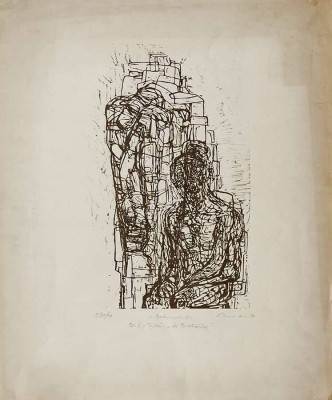
Arnold Pemmann, Bekenntnis, Blatt IV aus dem Zyklus „Der Bildhauer“, 1980
vermutlich Siebdruck, 61 x 50 cm, I/25/10
Startpreis 80 €
VERKAUFT
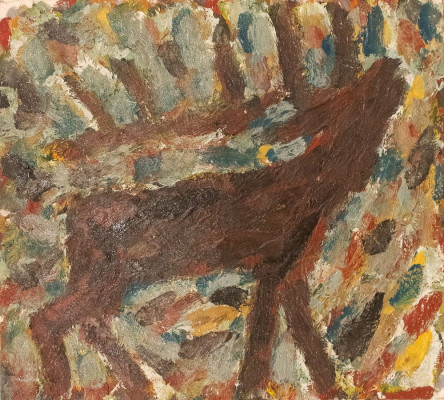
Ingmar Bruhn, ohne Titel (Hirsch), 2016 – 25
Öl auf Leinwand, 100 x 110 cm,
Startpreis 2.000 €
114
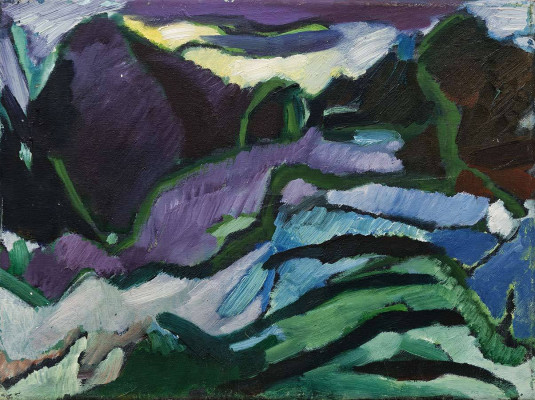
Midele Schade, Melancholie, 2008
Öl auf Leinwand, 30 x 40 cm, Rahmen optional 20 €
Startpreis 300 €
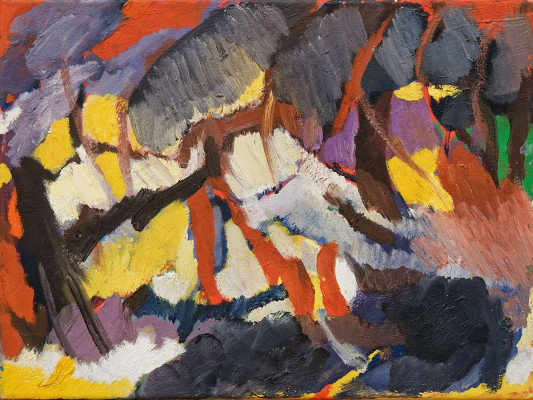
Midele Schade, heiter, 2012
Öl auf Leinwand, 30 x 40 cm, Rahmen optional 20 €
Startpreis 300 €
VERKAUFT

Paul Torsten Hahn, Fünf Gazellen, 1988
Öl auf Papier, 60 x 80 cm, Rahmen optional 150 €
Startpreis 900 €

Robert Rehfeld, o.T., 1989
Lithografie, 51 x 63 cm, 9/10 Rahmen optional 20
Startpreis 80 €
VERKAUFT
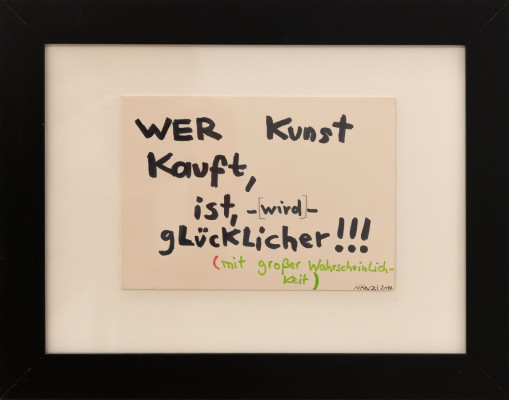
NÄNZI (Sybille ) Reichert, Wer Kunst kauft, 2010
diverse Stifte auf Karton, 10,5 x 15 cm, signiert, datiert Rahmen inkl.
Startpreis 110 €
109
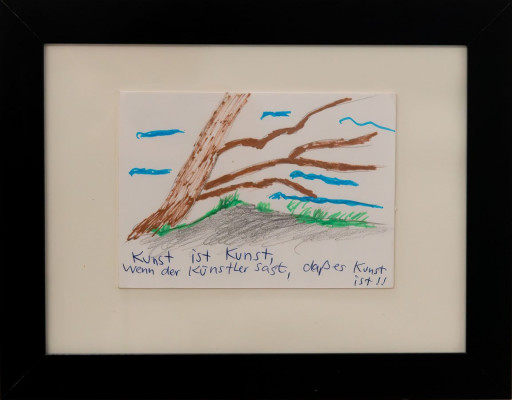
NÄNZI (Sybille ) Reichert, Kunst ist Kunst, 2010
diverse Stifte auf Karton, 10,5 x 15 cm, Rahmen inkl.
Startpreis 110 €
108
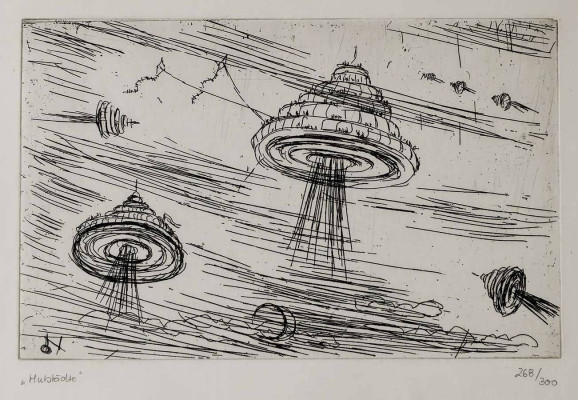
Oskar Nerlinger, Hutstädte, o.J.
Radierung , 16 x 24,5 cm, 268/300 Nachlass
Startpreis 170 €
VERKAUFT
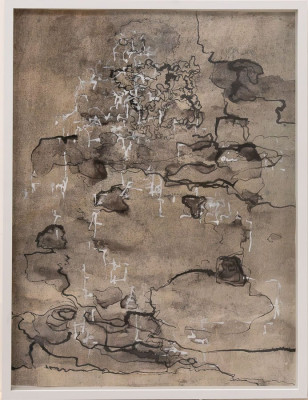
Gudrun Sailer, Wege, 2025
Tusche auf Papier, 29,3 x 39,8 cm, Rahmen optional 45 €
Startpreis 150 €
027

Gudrun Sailer, Bindung, 2025
Tusche auf Papier, 29,3 x 39,4 cm, Rahmen optional 45 €
Startpreis 150 €
026

Harry Lüttger, o.T., 1980
Pastell, 32 x 42 cm, Rahmen optional 20 €
Startpreis 100 €
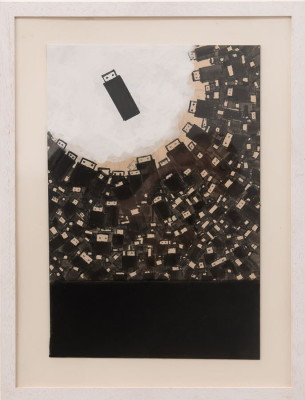
Sabine Peuckert, der chef, 2020/25
Zeichnung, Tusche, Deckweiß, 33,5 x 22,6 cm,
Startpreis 300 €
077

Mariel Poppe, Kopfmolluskel , 2023
C‑Print, 20 x 30 cm, (aus der Serie: Ich und mein Organoid) 1/5 Rahmen optional 15 €
Startpreis 150 €
106

Mariel Poppe, Hirnwaffenträgerin, 2023
C‑Print, 20 x 30 cm, (aus der Serie: Ich und mein Organoid) 1/5 Rahmen optional 15 €
Startpreis 150 €
107
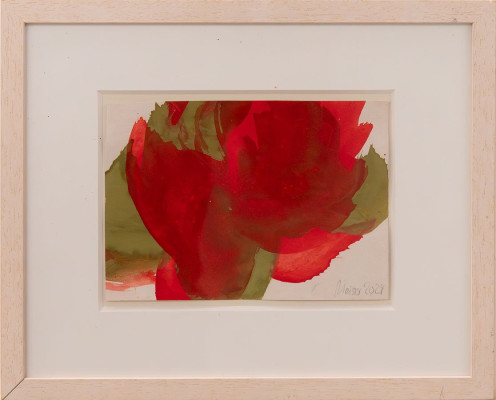
Monika Meiser, Rot floral, 2024
Pigment/Acryl auf Papier, 13 x 18,5 cm, Rahmen optional 15 €
Startpreis 180 €
105
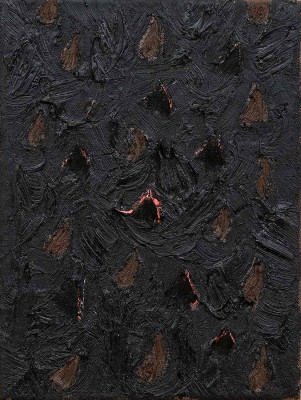
Christiane Bergelt, sh*t, f*ck, cry, 2024
Öl auf Leinwand, 24 x 18 cm,
Startpreis 570 €
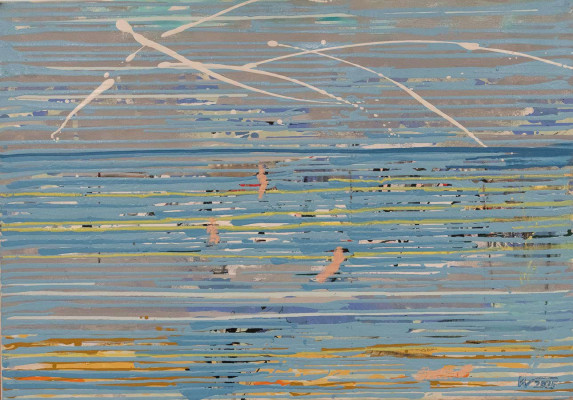
Matthias Wegehaupt, Badende unter Himmelszeichen, 2025
Öl/Acryl auf Gewebe, 70 x 100 cm,
Startpreis 2.400 €
055
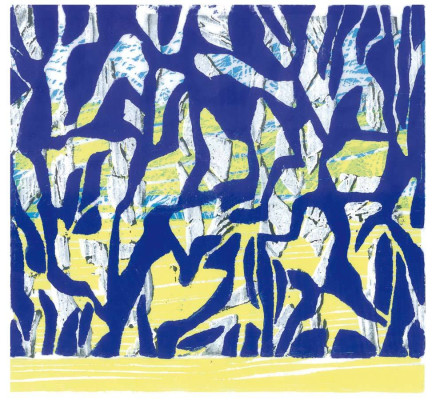
Marion Stille, Verflechtung, 2025
Farbholzschnitt, 23 x 30 cm, Rahmen optional 30
Startpreis 80 €
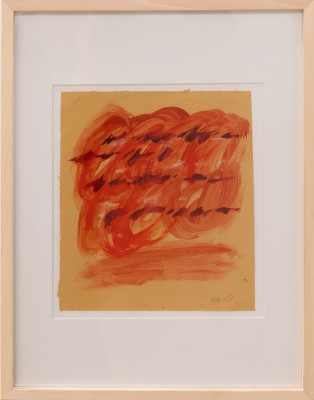
Andrea Engelmann, Brief (Ocker), 2013
Mischtechnik, 23 x 20 cm, Rahmen optional 30 €
Startpreis 380 €
084

Andrea Engelmann, Brief (Rot und Weiß), 2019
Acrylfarbe auf Papier, 27,3 x 21,0 cm, Rahmen optional 30 €
Startpreis 400 €
083
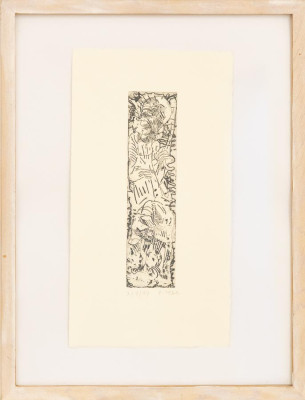
Petra Flierl, Geist, 2007
Radierung, 21 x 5 cm, Rahmen optional 10 €
Startpreis 120 €
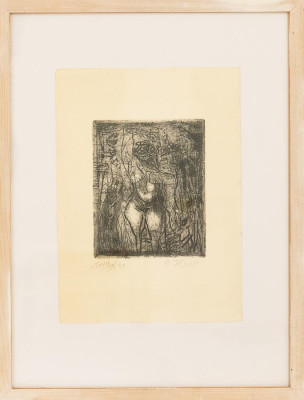
Petra Flierl, Madame, 1991
Radierung, 14 x 15 cm, Rahmen optional 10 €
Startpreis 190 €
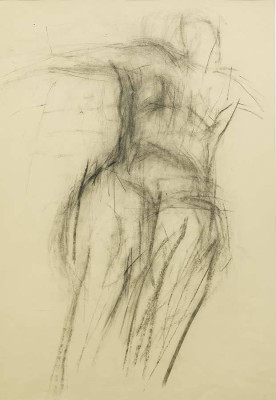
Sylvia Hagen, o.T. (Akt sitzend), 2005
Kohle, 60 x 41 cm,
Startpreis 200 €
VERKAUFT
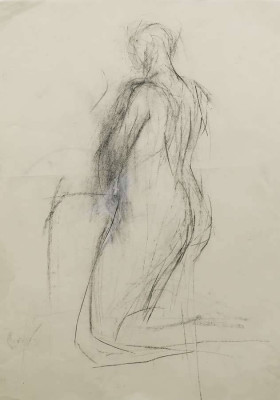
Sylvia Hagen, o.T. (Akt knieend), 2020
Kohle, 41 x 58 cm,
Startpreis 200 €
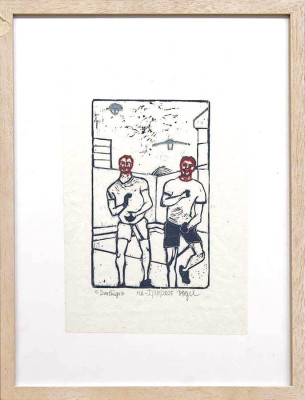
Heidi Vogel, Darlings, 2025
Holzschnitt, 3 Farben, 12,5 x 20 cm, Unikat , Handabzug, Rahmen optional 40 €
Startpreis 240 €

Heidi Vogel, Totentanz, 2025
Materialschnitt, 29,7 x 20 cm, Handabzug, Rahmen optional 40 €
Startpreis 180 €
VERKAUFT
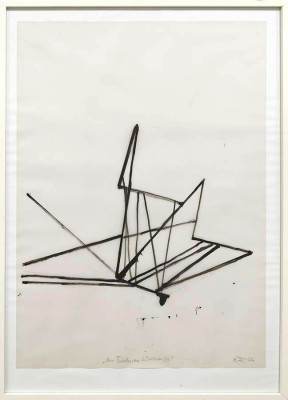
Bernd Wilde, 7.10. Schatten von Nin oz, 2023
Tusche , Rahmen optional 45 €
Startpreis 150 €

Joachim Bayer, Halbakt, 2025
Kohle, Papier, 29,3 x 21 cm, Rahmen optional 10 €
Startpreis 350 €

Karin Tiefensee, Gesichtslos, 2025
Tiefdruck, 40 x 30 cm, 2 (6) Rahmen optional 55 €
Startpreis 300 €

Susanne Pliet, Vergiß mein nicht, 2025
Öl auf Leinwand, 30 x 24 cm
Startpreis 250 €
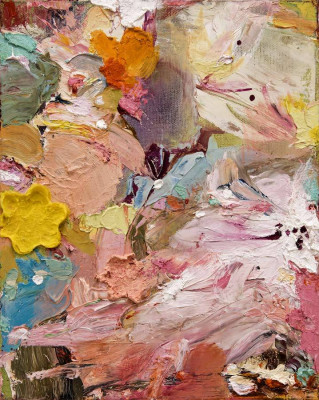
Susanne Pliet, Vergiß mein nicht, 2025
Öl auf Leinwand, 30 x 24 cm
Startpreis 250 €
VERKAUFT

Manfred Butzmann, Alt Tölpitz, 1977
Aquatinta, 18 x 19,5 cm,
Startpreis 70 €
VERKAUFT

Marika Voss, o.T., 1986
Lithografie, 21 x 15,5 cm, Edition 1/20, Vorderseite oben Widmung,
Startpreis 50 €

Heidi Vogel, o.T., o.J.
Holzschnitt, 24,5 x 19 cm, I/1/4/05
Startpreis 40 €
VERKAUFT
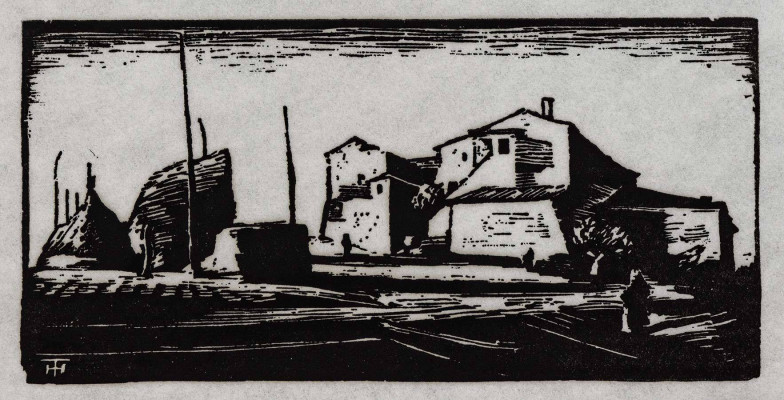
Herbert Tucholski, o.T., o.J.
Holzschnitt, 13,5 x 20,5 cm, unsigniert
Startpreis 40 €

Heidi Vogel, o.T., 1982
Kaltnadelradierung, 10 x 12,5 cm, Rückseite: Widmung
Startpreis 40 €
VERKAUFT
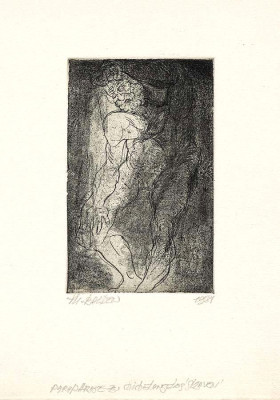
Theo Balden, Paraphrase zu Michelangelos „Sklaven“, 1981
Aquatinta, 26 x 19 cm,
Startpreis 100 €

Dieter Goltzsche, o.T., 1983
Sepiazeichnung, 18 x 13,5 cm,
Startpreis 90 €

Theo Balden, Open Gate, 1946
Linolschnitt, 13,5 x 19 cm,
Startpreis 70 €
VERKAUFT
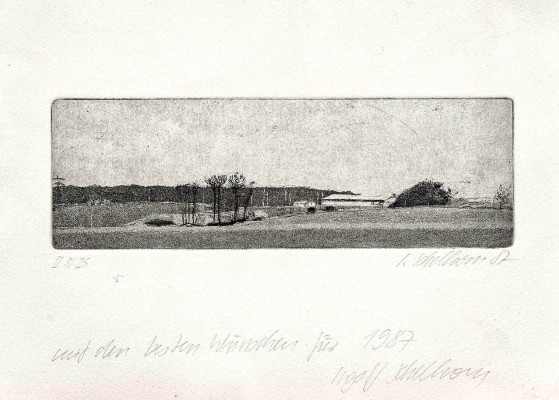
Ingolf Schelhorn, o.T., 1987
Aquatinta, 19,5 x 26,5 cm, II 3/25, Vorderseite Widmung
Startpreis 60 €
VERKAUFT
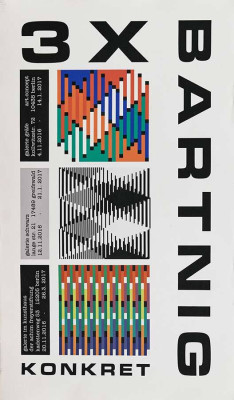
Horst Bartnig, konkret, 2017
Plakat. Ku?nstler pc print auf Bu?tten, 79 x 46 cm, Auflage 25 15/25
Startpreis 150 €
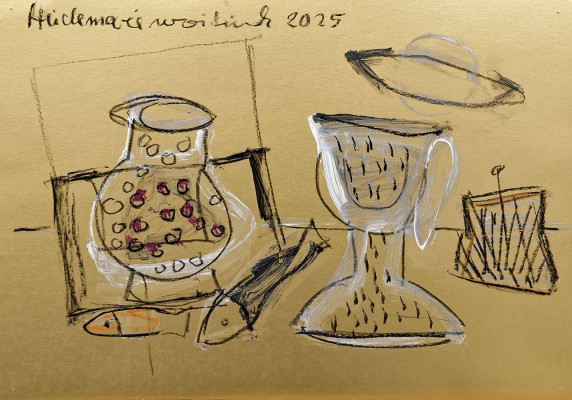
Heidemarie Woitinek, Stilleben mit Becher, 2025
Michtechnik, 29 x 42 cm
Startpreis 250 €

Heidemarie Woitinek, Jagdfieber zu zweit, 2025
Michtechnik, 41 x 30 cm
Startpreis 250 €
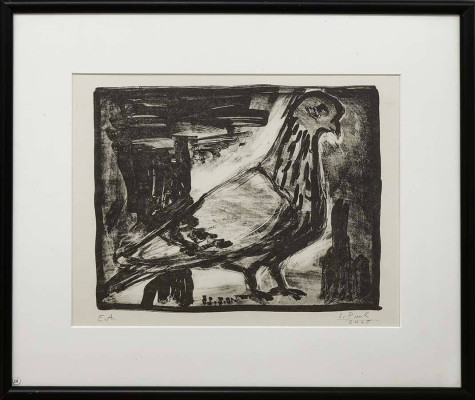
Sebastian Paul, Berliner Taube, 2025
33 x 43 cm, E.A. Rahmen optional 50 €
Startpreis 300 €
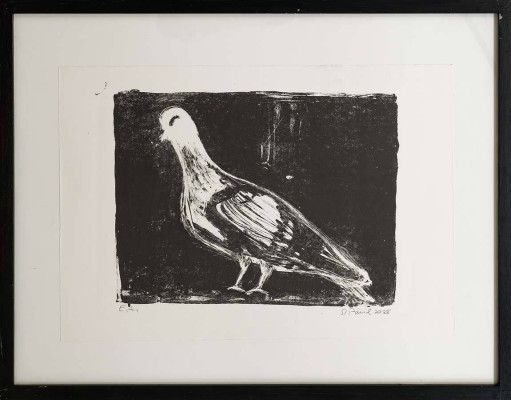
Sebastian Paul, Taube IV, 2025
36 x 52 cm E.A. Rahmen optional 50 €
Startpreis 250 €
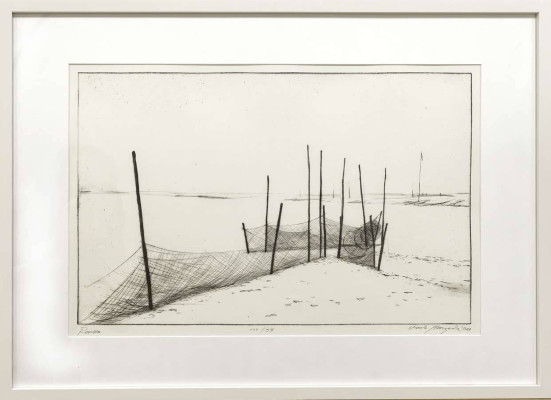
Ursula Strozynski, Reusen, 2024
Kaltnadelradierung, 33 x 52 cm, Okt 55 Rahmen optional 55 €
Startpreis 300 €
VERKAUFT
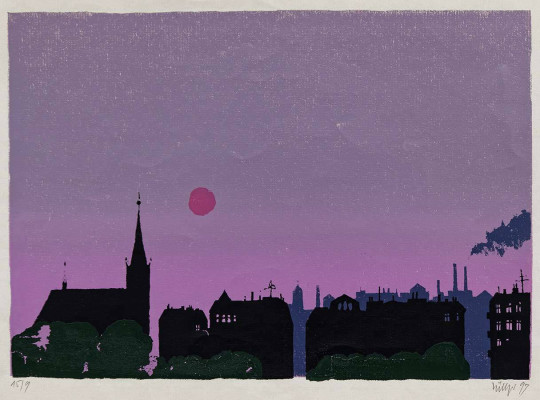
Harry Lüttger, o.T., 1997
Siebdruck, mehrfarbig, 29,5 x 39,5 cm, 9/15
Startpreis 80 €
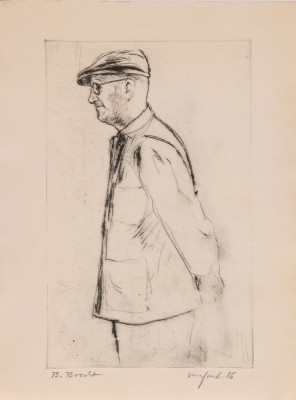
Unbekannt, Bertolt , 1986
Kaltnadelradierung, 31,5×23,5 cm, Brecht
Startpreis 60 €
VERKAUFT
145

Olaf Nehmzow, o.T., 1987
Aquatinta, 32 x 33 cm, Probedruck, Vorderseite Widmung
Startpreis 70 €
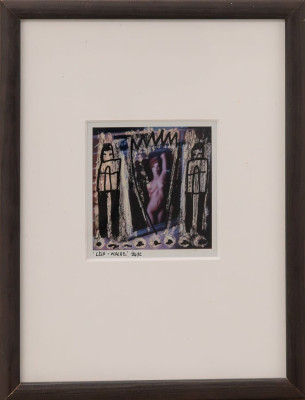
Lilo C. Karsten, Der Magier, 1992
übermaltes Polaroidfoto, 9 x 10 cm, Rahmen optional 9 €
Startpreis 81 €
022

Lilo C. Karsten, LEIB – WACHE, 1992
übermaltes Polaroidaktfoto, 9 x 10 cm, Rahmen optional 9 €
Startpreis 81 €
021
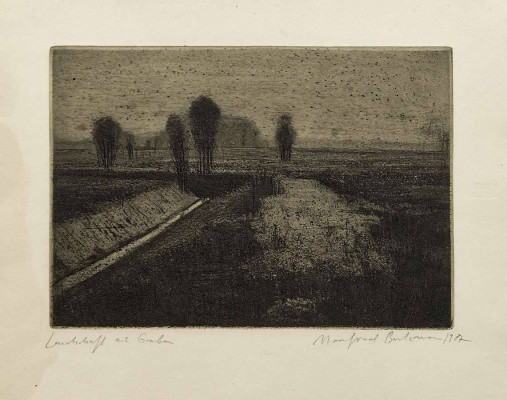
Manfred Butzmann, Landschaft mit Graben, 1987
Radierung, 17,5 x 25 cm,
Startpreis 180 €
VERKAUFT
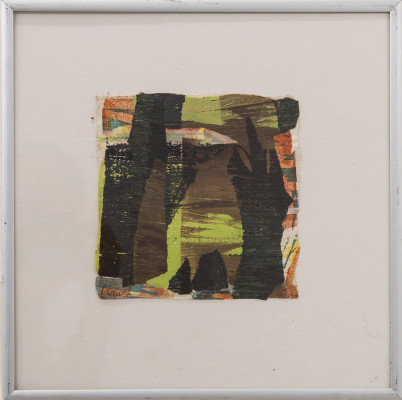
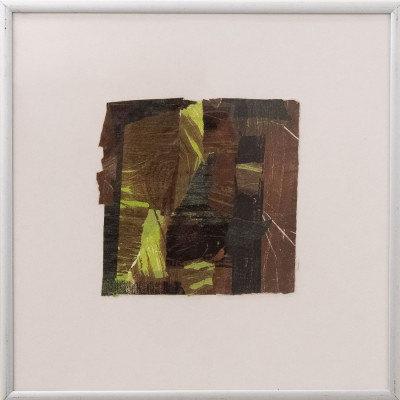
Elli Graetz, Serie: Baum , 1, 2015
Holzschnitt, Collage, je 15 x 15 cm, Unikat Rahmen optional je 15 €
Startpreis je 120 €
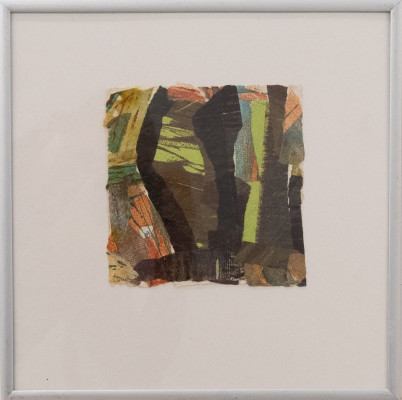
Elli Graetz, Serie: Baum , 2, 2015
Holzschnitt, Collage, je 15 x 15 cm, unikat Rahmen optional je 15 €
Startpreis je 120 €
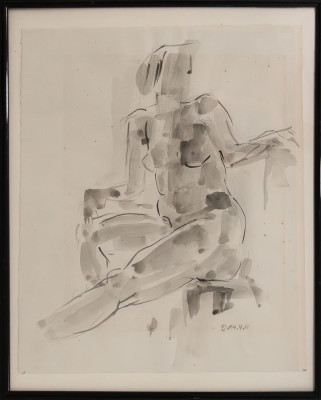
Elli Graetz, Serie: Baum , 3, 2015
Holzschnitt, Collage, je 15 x 15 cm, unikat Rahmen optional je 15 €
Startpreis je 120 €
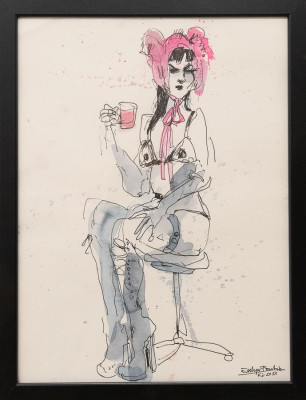
Ulrich Jörke, ohne Titel, 2011
Aquarell, 43 x 36 cm, Rahmen optional 10 €
Startpreis 250 €
044
Christian Badel, Muse tree Evelyn, 2024
Tuschzeichnung, Aquarell, 20,7 x 42 cm, Rahmen optional 10 €
Startpreis 180 €
205
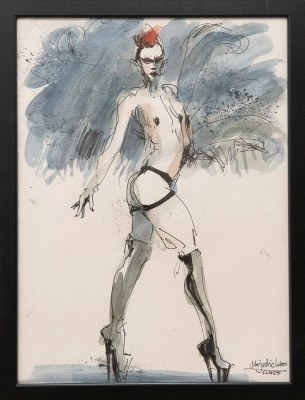
Christian Badel, Muse four Majestic, 2025
Tuschzeichnung, Aquarell, 20,7 x 42 cm, Rahmen optional 10 €
Startpreis 180 €
206
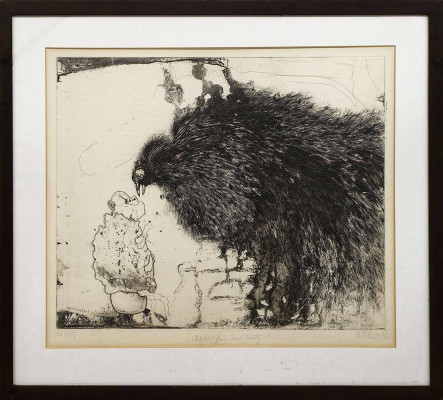
Michael Diller, Alles für die Katz!, 1993
Aquatinta, 72 x 80 cm, 21/29 Rahmen optional 30 €
Startpreis 90 €

Rahel Mucke, Etüde Nr. 2, 2024
Aquarell, 21 x 29 cm, Rahmen optional 30 €
Startpreis 250 €

Rahel Mucke, Etüde Nr. 3, 2024
Aquarell, 21 x 29 cm, Rahmen optional 30 €
Startpreis 250 €
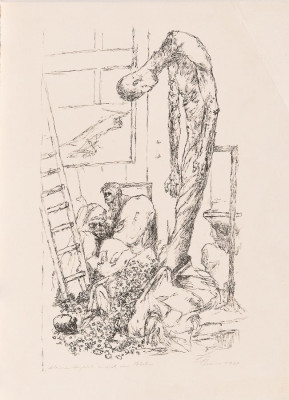
Fritz Cremer, Kleines Unglück…im Atelier, 1987
Lithografie, 53 x 39 cm, beschädigt
Startpreis 80 €
VERKAUFT
163

Harry Lüttger, Schönhauser Allee, 1975
Siebdruck, 32 x 49 cm, 5/10
Startpreis 70 €
VERKAUFT
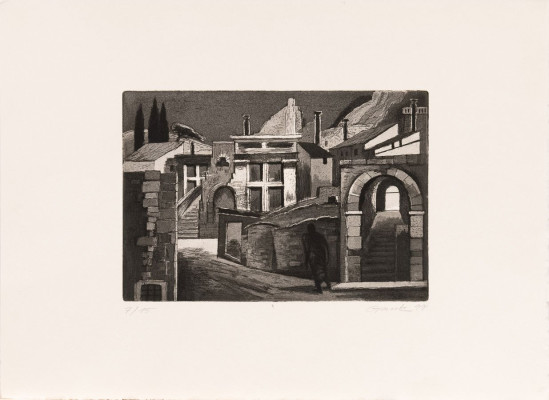
Dieter Gantz, o.T., 1999
Aquatinta, 39 x 53 cm, 7/15
Startpreis 70 €
162

Gisela Neumann, Spargelkraut, 2025
Acryl auf Leinwand, 120 x 100 cm, Rahmen optional 0
Startpreis 2.700 €
125
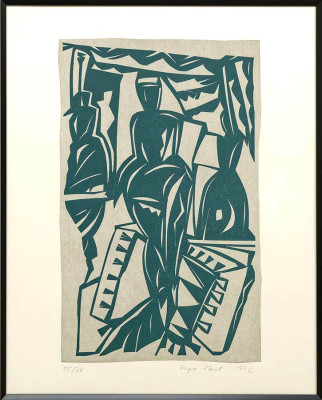
Inga Rensch, o.T. (Frau in Grün), 1992
Druckgrafik, Linolschnitt, 50 x 40 cm, gedruckt auf Karton 15/26 Rahmen optional 25 €
Startpreis 110 €
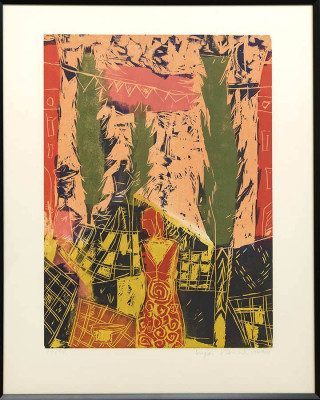
Inga Rensch, o.T. (drei Zypressen), 1991
Druckgrafik, Linolschnitt, 50 x 40 cm, gedruckt auf Karton 22/30 Rahmen optional 25 €
Startpreis 110 €
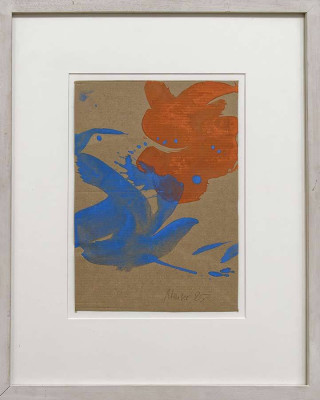
Monika Meiser, Blümerant, 2025
Pigment/Acryl auf Pappe, 30,4 x 21,4 cm, Rahmen optional 20 €
Startpreis 280 €
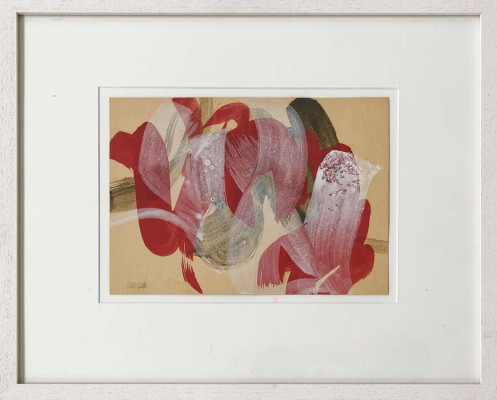
Monika Meiser, Schwerelos, 2018
Pigment/Acryl auf Pappe, 20,8 x 29,6 cm, Rahmen optional 20 €
Startpreis 350 €

Harry Lüttger, o.T., 1989
Siebdruck, mehrfarbig, 37 x 49,5 cm, 3/20, Rückseite: Widmung
Startpreis 80 €
VERKAUFT
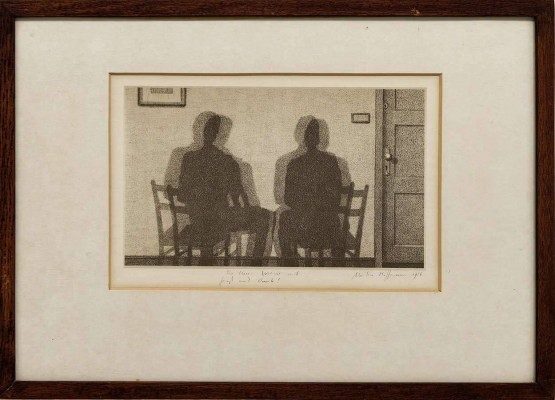
Martin Hoffmann, o.T., 1986
vermutlich Lithografie, 33 x 46 cm, Vorderseite Widmung Rahmen optional 30
Startpreis 80 €

Manfred Butzmann, Friedhof in Moldawien, 1975
vermutlich Lithografie, 63 x 71 cm, Rahmen optional 30 €
Startpreis 90 €
VERKAUFT
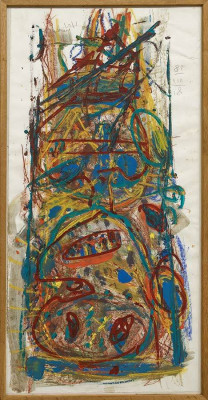
Horst Hussel, o.T., 2008
Mischtechnik, 78 x 58 cm, leicht beschädigt Rahmen optional 40 €
Startpreis 590 €
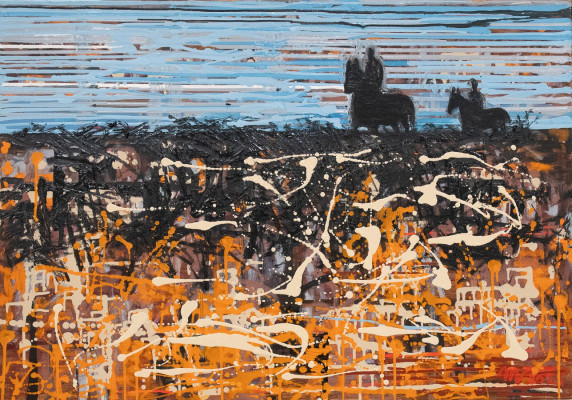
Matthias Wegehaupt, Verheertes Land und zwei Reiter, 2025
Öl/Acryl auf Gewebe, 70 x 100 cm,
Startpreis 2.500 €
056

Horst Bartnig, 43, Blatt 3, 2010

Horst Bartnig, 43, Blatt 2, 2010
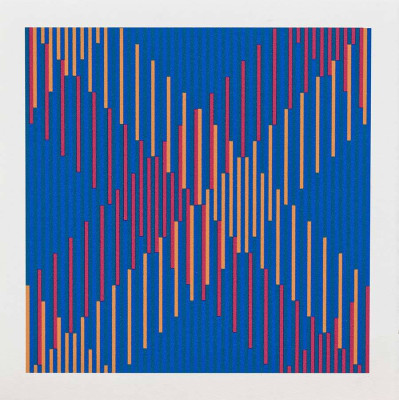
Horst Bartnig, 43, Blatt 1 – 3, 2010
PC-Druck, 20 x 20 cm, 10 20
Startpreis 390 €
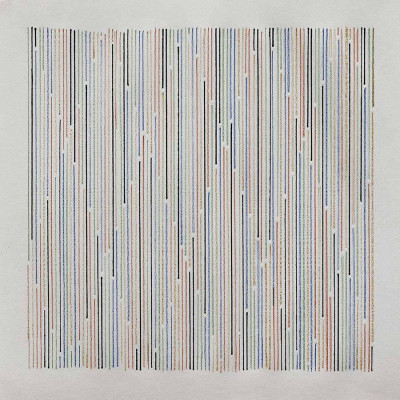
Horst Bartnig, Unterbrechungen , 1989
Prägedruck, 23 x 23 cm, in 5 Farben
Startpreis 260 €
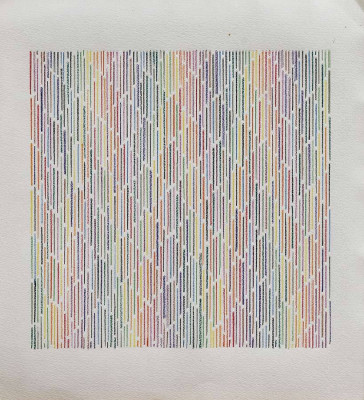
Horst Bartnig, 585 Unterbrechungen, 1989
Prägedruck, 23 x 23 cm, in 14 Farben
Startpreis 260 €
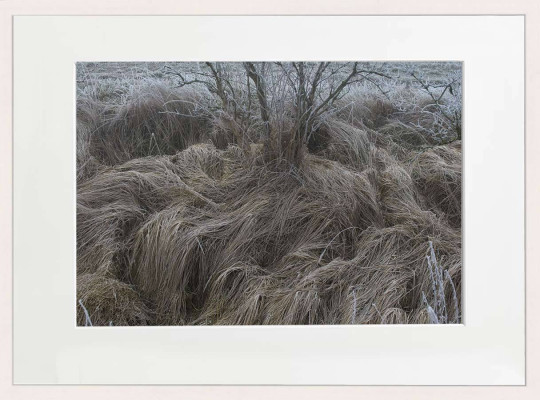
Bernd Petrikat, Buchholzer Graben, 2020
Fotografie, Print auf Hahnemühle Papier pearl, Rahmen 60 x 80 cm m. entspiegeltem Acyrlglas u. Passepartout optional 100 €
Startpreis 150 €

Bernd Petrikat, Gemüse II, 2021
Foto, Print auf Barytpapier, 50 x 70 cm
optional Rahmen 60 x 80 cm m. entspiegeltem Acyrlglas 100 €
Startpreis 150 €
VERKAUFT

Bernd Petrikat, Glasbruch, 2005
Fotografie, Print auf Hahnemühle Papier pearl, 40 x 60 cm, Rahmen 60 x 80 cm m. entspiegeltem Acyrlglas u. Passepartout optional 100 €
Startpreis 120 €
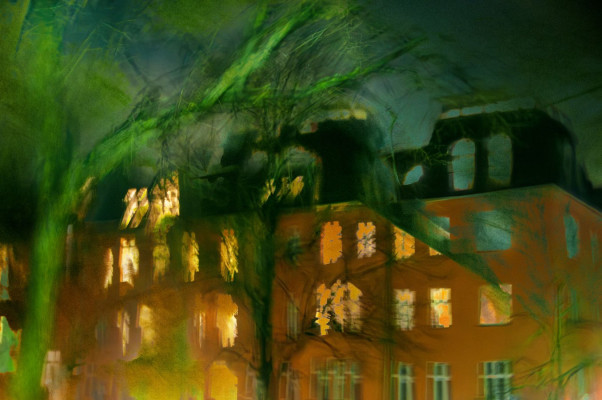
Uz Kirchhoff, Des Abends in der Stadt, 2011
gestische Fotografie, Mehrfachbelichtung, 45 x 30 cm,
Startpreis 100 €
VERKAUFT
249
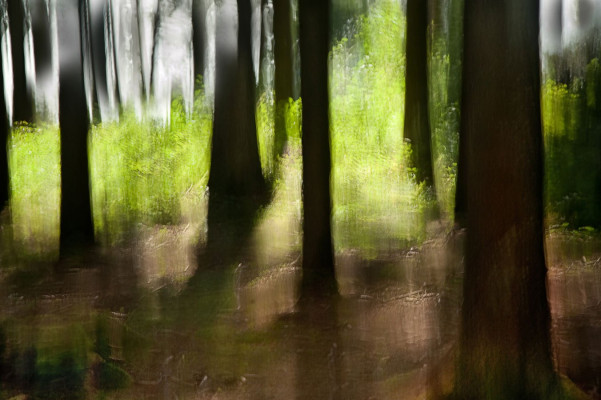
Uz Kirchhoff, Tobend Lachend, 2012
gestische Fotografie, 45 x 30 cm,
Startpreis 100 €
VERKAUFT
247
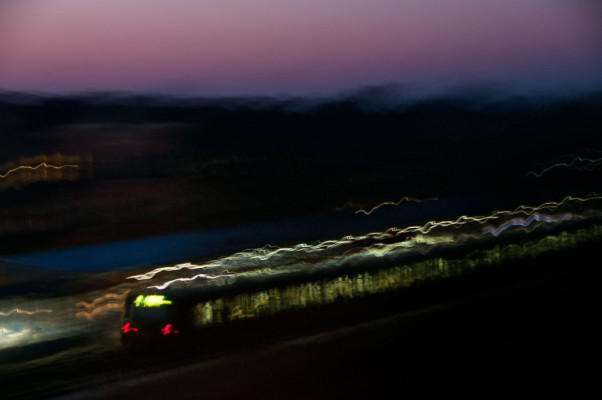
Uz Kirchhoff, Fensterblicke, 2011
gestische Fotografie, 45 x 30 cm,
Startpreis 100 €
VERKAUFT
246
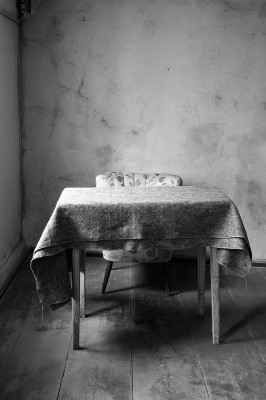
Ingrid Bahß, arbeitstisch, 2025
digital, 31 x 40 cm, Rahmen optional 30
Startpreis 150 €
VERKAUFT

Uz Kirchhoff, Alexanderplatz, 2015
Mehrfachbelichtung, 30 x 45 cm,
Startpreis 100 €
VERKAUFT
248
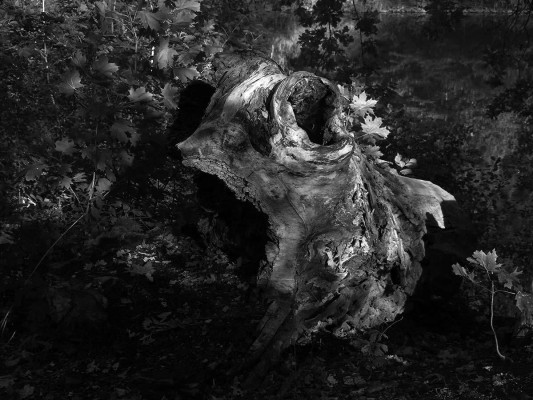
Simone Tippach-Schneider, Alter Baumstumpf, 2022
Fotoprint auf Hahnemühle Baryta, 60 x 45 cm, Rahmen optional 80
Startpreis 180 €

Simone Tippach-Schneider, Panke Riverside, 2022
Fotoprint auf Hahnemühle Baryta, 60 x 45 cm, Rahmen optional 80
Startpreis 180 €

Ingrid Bahß, selbst, 2024
digital, 30 x 40 cm, Rahmen optional 30
Startpreis 150 €

Christiane Bergelt, gentile, 2017
Öl auf Leinwand, 35 x 30 cm,
Startpreis 850 €
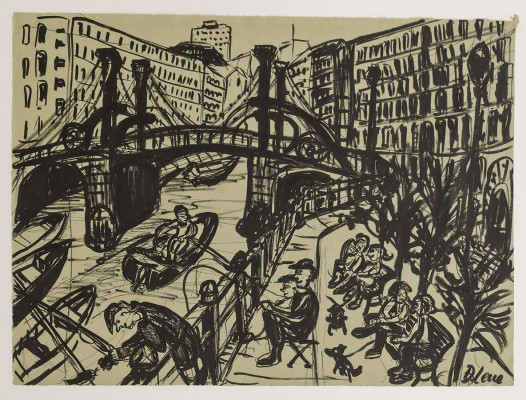
Doris Leue, Jungfernbrücke/Berlin, 2025
Feder/Tusche, 31 x 43 cm,
Startpreis 350 €

Christian Ulrich, Sitzende Frauen, 2025
Acryl, Aquarell, Tusche auf Papier, 32 x 32 cm, Rahmen optional 50
Startpreis 450 €
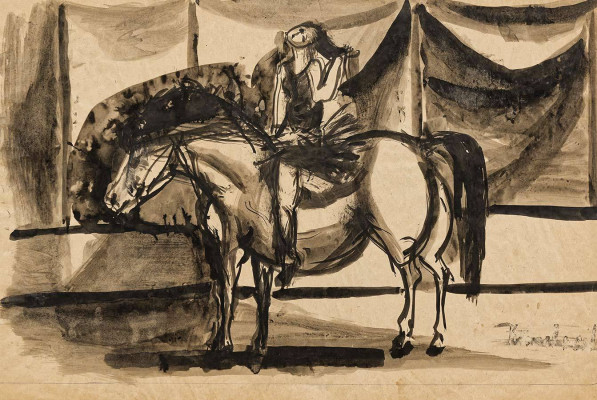
Manfred Böttcher, Zirkusreiterin, ca 1955
Tusche, mit Nachlassstempel, 35 x 52 cm
Startpreis 400 €
VERKAUFT

Manfred Böttcher, Im Gespräch, ca 1955/58
Tuschezeichnung, mit Nachlassstempel, 23,5 x 30,5 cm
Startpreis 280 €
VERKAUFT

Elli Graetz, Vogel, 2010
Holzschnitt, 22 x 28,5 cm, unikat Rahmen optional 19 €
Startpreis 160 €
081

Annette Gundermann, Landschaft II, 1989
Holschnitt, 34 x 35 cm, im Passepartout 12/16 Rahmen optional 25 €
Startpreis 90 €
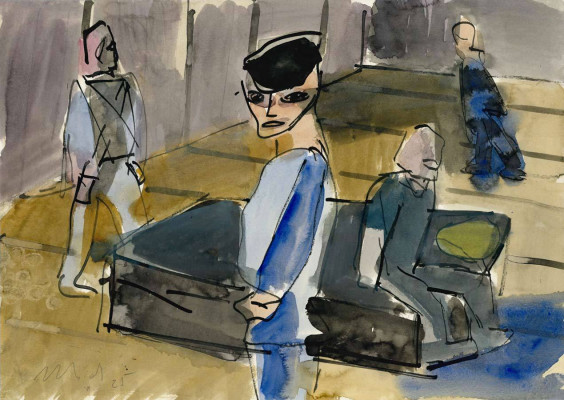
Christian Ulrich, Vier, 2025
Acryl, Aquarell, Tusche auf Papier, 29,7 x 42 cm, Rahmen optional 60
Startpreis 500 €
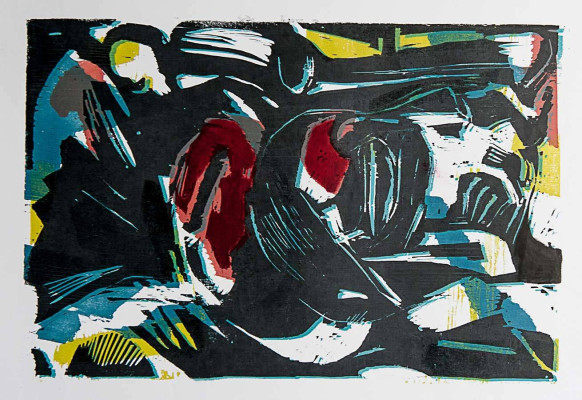
Annette Gundermann, Nachtschwarm, 1990
Farbholzschnitt, handcoloriert, im Passepartout E.A., 34 x 48 cm
Startpreis 220 €

Toni Mau, o.T.,
Aquatinta, 12 x 19 cm,
Startpreis 280 €
VERKAUFT

Dorothee Helena Jacobs, Sitzende in Sessel, 1985
Öl, Acryl auf Karton, 25 x 20,5 cm, Rahmen optional 25 €
Startpreis 250 €
207
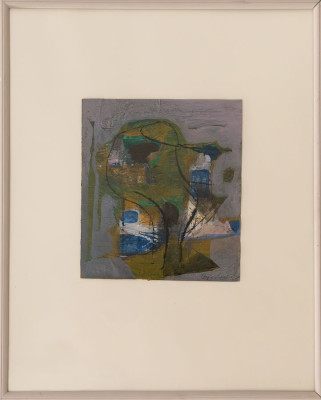
Regina Conrad, Stadtbaum im Wind, 2025
Mischtechnik auf Papier, 22,5 x 20 cm, Rahmen optional 20 €
Startpreis 280 €
221

Manfred Zoller, Zirkus, 2025
Collage, 19,5 x 18,5 cm, Rahmen optional 10 €
Startpreis 300 €
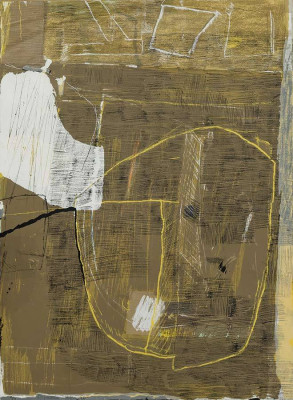
Joachim Böttcher , Kopf, 2001
Siebdruck, 5 Farben, 75,2 x 55 cm, 10 20
Startpreis 1.400 €

Annette Gundermann, Ein weites Feld, 2011
Collage, Mischtechnik, 49 x 63 cm, im Passepartout Rahmen optional 50 €
Startpreis 570 €

Carsten Gille, Die Hütte I, 2024
Siebdruck, 44 x 31 cm, Apr 13 Rahmen optional 35 €
Startpreis 280 €
048

Marguerite Blume-Cárdenas, o.T., 2002
Gouache, Kohle, 36 x 47 cm,
Startpreis 160 €
VERKAUFT
166
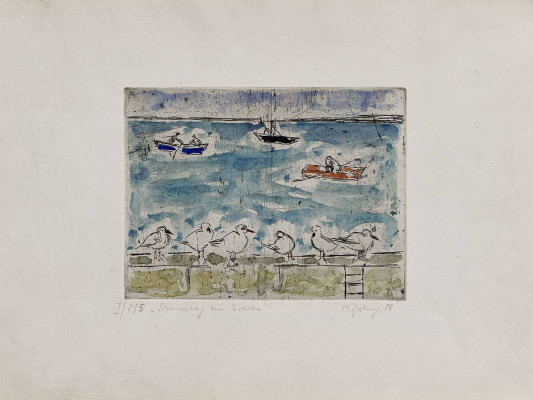
Margot Sperling, Sommertag am Bodden, 1991
aquarellierte Ätzradierung, 30 x 40 cm, I – 2 – 5
Startpreis 80 €
VERKAUFT

Manfred Böttcher, zwei Harlerine, ca 1958
Tuschezeichnung, mit Nachlassstempel, 21 x 15 cm
Startpreis 150 €
VERKAUFT

Horst Hussel, o.T., 2009
Gouache, 56 x 38 cm, Rahmen optional 20
Startpreis 360 €

Denise Richardt, Terre rouges,
Rahmen optional 80 €, 52 x 41 cm
Startpreis 1.450 €

Achim Niemann, Weiße Wagerechte und Senkrechte, 2019
Mischtechnik auf Leinwand, 40 x 40 cm,
Startpreis 450 €
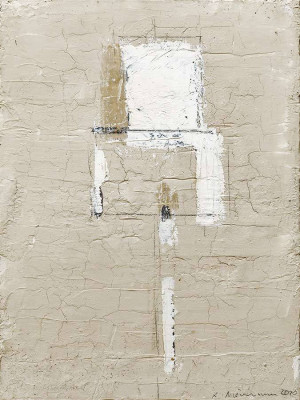
Achim Niemann, Der Weiser, 2020
Mischtechnik auf Leinwand, 40 x 30 cm,
Startpreis 450 €

Wolfgang Leber, Stilleben mit rosa Wolke, 2006
Öl, 40 x 50 cm,
Startpreis 1.600 €
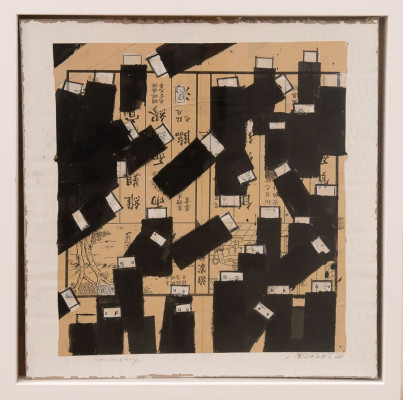
Sabine Peuckert, gesellschaft, 2021/25
Zeichnung, Collage, Tusche, Deckweiß, 25 x 32 cm,
Startpreis 300 €
078
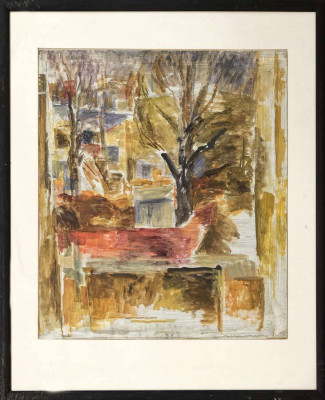
Christa Böhme, Landschaft,
Tempera/Mischtechnik auf Pappe, 80 x 70 cm, Rahmen optional 100 €
Startpreis 1.500 €
VERKAUFT
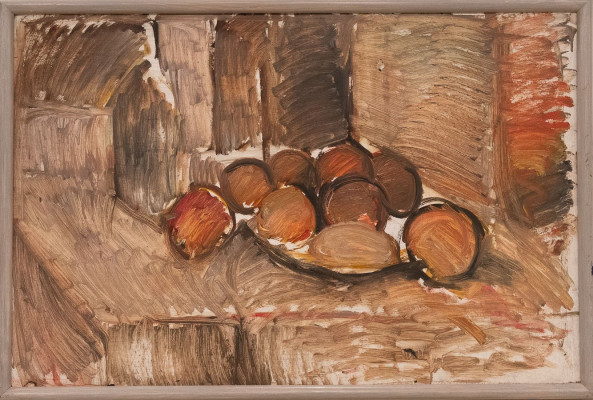
Lothar Böhme, Stilleben, 2001
Öl auf Pappe, B. 47 x 71 cm, R. 50 x 74 cm
Startpreis 1.500 €
186
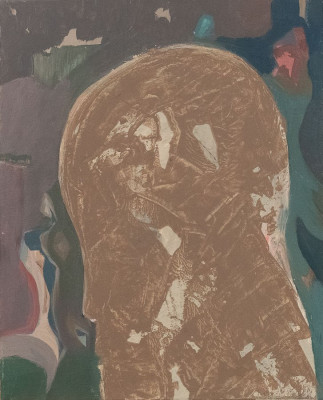
Regina Conrad, Kopf/Profil, 2022
Acryl auf Leinwand, 50 x 40 cm
Startpreis 480 €
223
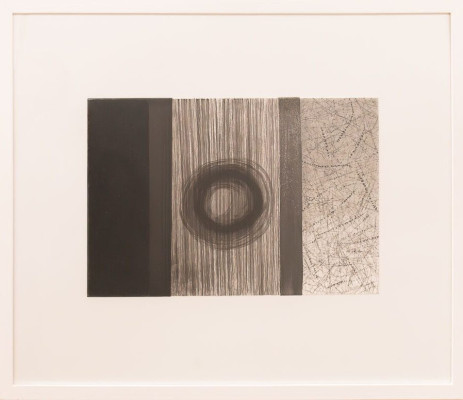
Dorothee Helena Jacobs, Regen, Sonne, Vogelflug, 2017
Ölpastell, Japantusche, 26 x 39 cm, Rahmen optional 60 €
Startpreis 280 €
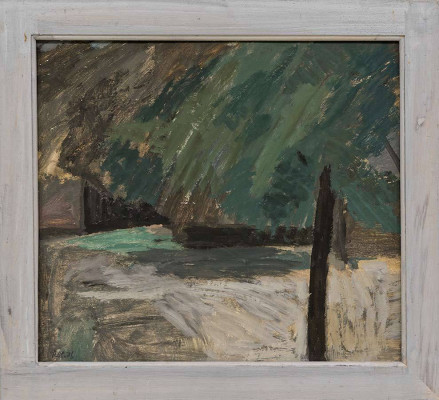
Klaus Roenspieß, Leussow, 1976
Öl auf Leinwand, 36,5 x 40,5 cm,
Startpreis 1.100 €
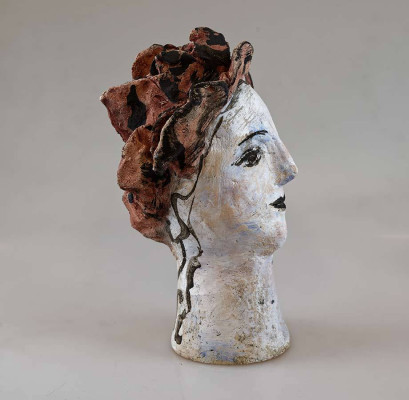
Christina Renker, kleiner offener Kopf, 2025
Keramik, 25 x 25 x 13 cm
Startpreis 180 €
VERKAUFT

Christina Renker, kleiner offener Kopf, 2025
VERKAUFT

Christina Renker, Kopf, 2025
Keramik, 37 x 19 cm,
Startpreis 250 €
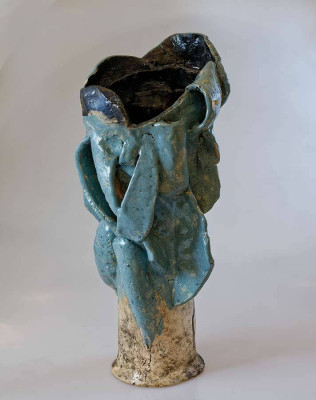
Christina Renker, Kopf, 2025
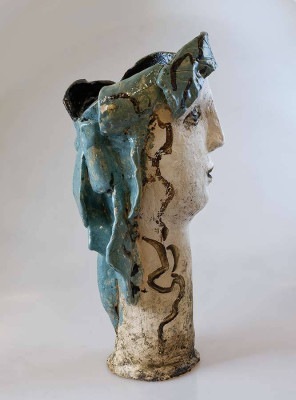
Christina Renker, Kopf, 2025
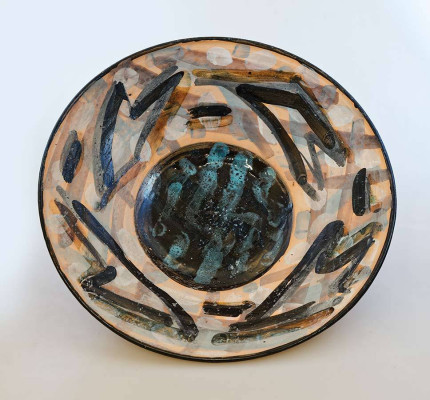
Christina Renker, Wandteller, 2005
Keramik, Ø ca. 30 cm,
Startpreis 150 €
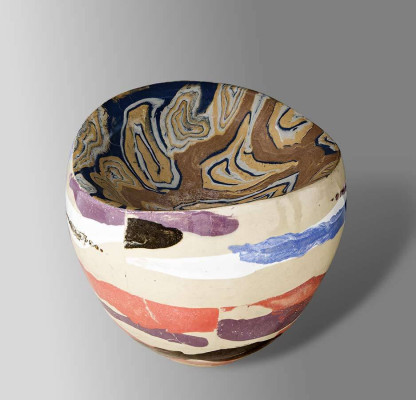
Ulrich Schumann, Gefäß farbig, 2025
Keramik/Intarsien, 40 x 40 cm,
Startpreis 320 €
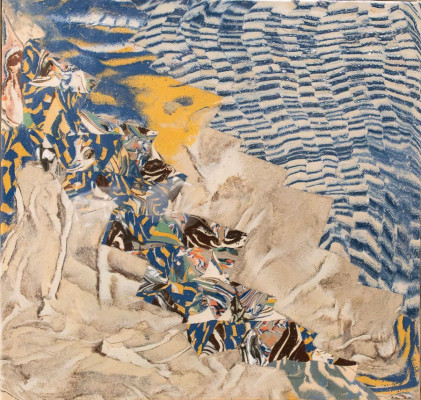
Ulrich Schumann, Wandbild Messingrahmen, 2025
Keramik/Intarsien, 40 x 40 cm,
Startpreis 280 €
218
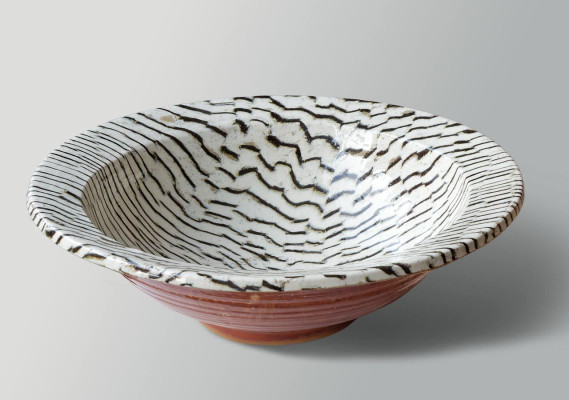
Ulrich Schumann, Schale schwarz weiß, 2024
Keramik/Intarsien, Ø 43 cm,
Startpreis 135 €
VERKAUFT
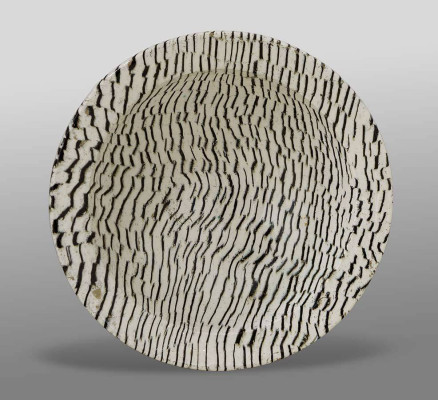
Ulrich Schumann, Schale schwarz weiß, 2024
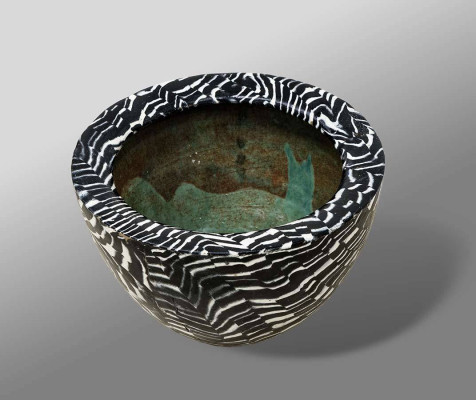
Ulrich Schumann, Gefäß schwarz weiß, 2024
Keramik/Intarsien, 35 x 40 cm,
Startpreis 210 €
VERKAUFT
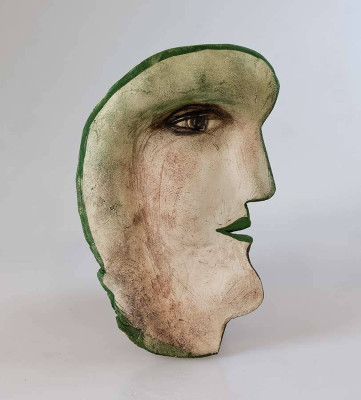
Christina Renker, Profil ,
Keramik, 23 x 14 cm
Startpreis 60 €
VERKAUFT

Christina Renker, Profil ,
Keramik, 22 x 16 cm
Startpreis 60 €

Volker Henze, F 12, 2018
Collage, Gouache, Farbstift, 50 x 63 cm,
Startpreis 450 €

Volker Henze, B 11 G, 2019
Gouache, Tusche, 46 x 64 cm,
Startpreis 500 €
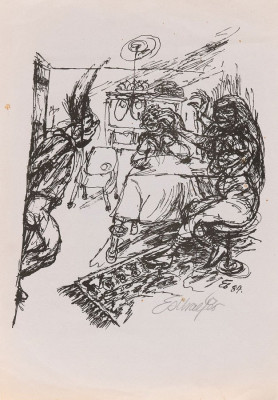
Egmont Schaefer, o.T., 1984
Siebdruck, 29,5 x 21 cm,
Startpreis 50 €
VERKAUFT
150

Ingolf Schelhorn, o.T., 1988
kolorierte Aquatinta, 28 x 19,5 cm, 21/32, Rückseite: Widmung
Startpreis 80 €
VERKAUFT
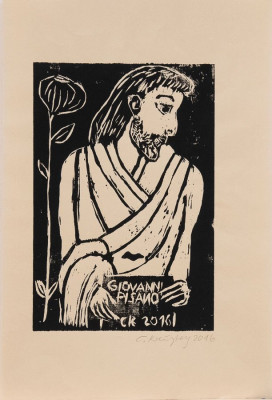
Carin Kreuzburg, Giovanni Pisano, 2016
Holzschnitt, 37 x 25 cm,
Startpreis 50 €
154

Harry Lüttger, o.T., 1991
Siebdruck, 21 x 29 cm, 3/20
Startpreis 40 €
VERKAUFT

Christine Perthen, Abendlandschaft, 1979
Aquatinta, 21,5×27 cm, Probedruck
Startpreis 50 €
VERKAUFT

Harry Lüttger, Karawanserei, 1981
Siebdruck, 24,5 x 37,5 cm, 7/15
Startpreis 50 €

Johannes Wüsten, Lenin, 1933
Kupferstich, 39 x 28,5 cm, Nachlass Joannes Wüsten
Startpreis 100 €
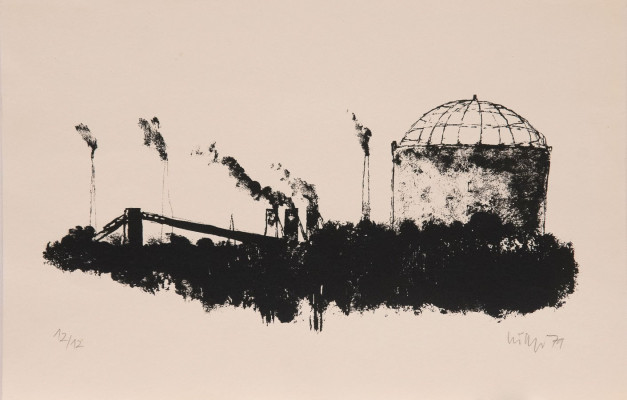
Harry Lüttger, o.T., 1979
Siebdruck, 23 x 35 cm, 12/12
Startpreis 50 €
VERKAUFT
153
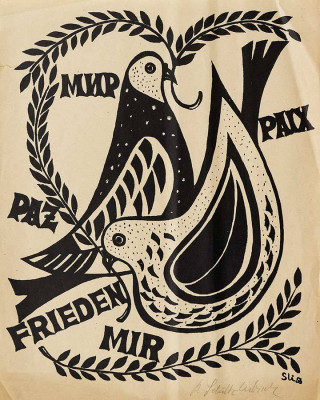
Paul Schulz-Liebisch, Frieden, 1956
Offset, 32 x 25,5 cm,
Startpreis 40 €
VERKAUFT

Harry Lüttger, o.T., 1989
Siebdruck, 21 x 29 cm,
Startpreis 40 €
VERKAUFT

Helga Höhne, Gelber Stein, 2024
Acryl, 36 x 47,6 cm,
Startpreis 350 €
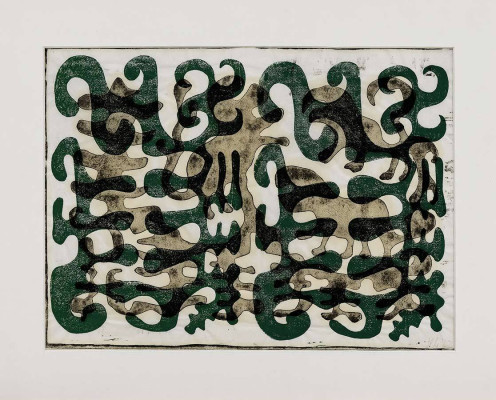
Helga Höhne, o.T. (Tiere), 2022
Holzschnitt doppelt, 30 x 42 cm,
Startpreis 160 €

Manfred Böttcher, Usedom Ostsee, 1970 – 75
Aquarell, mit Nachlassstempel
Startpreis 390 €
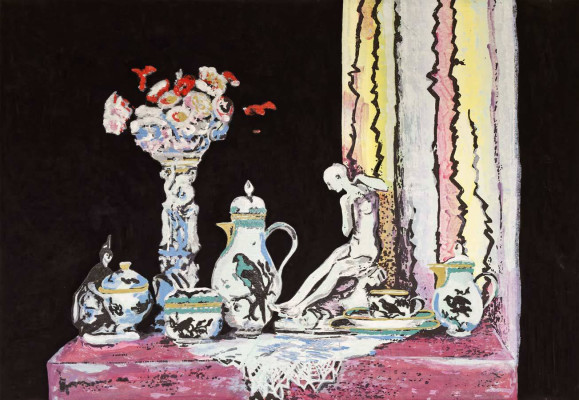
Karen Koschnick, Still-Leben in Rosé, 2024
Siebdruck auf Leinwand, 75 x 110 cm
Startpreis 600 €
VERKAUFT

